
- Your cart is empty
- Continue shopping
-
Dr Hoffman
- Posted on
- Categories:Uncategorized
- 0 comments
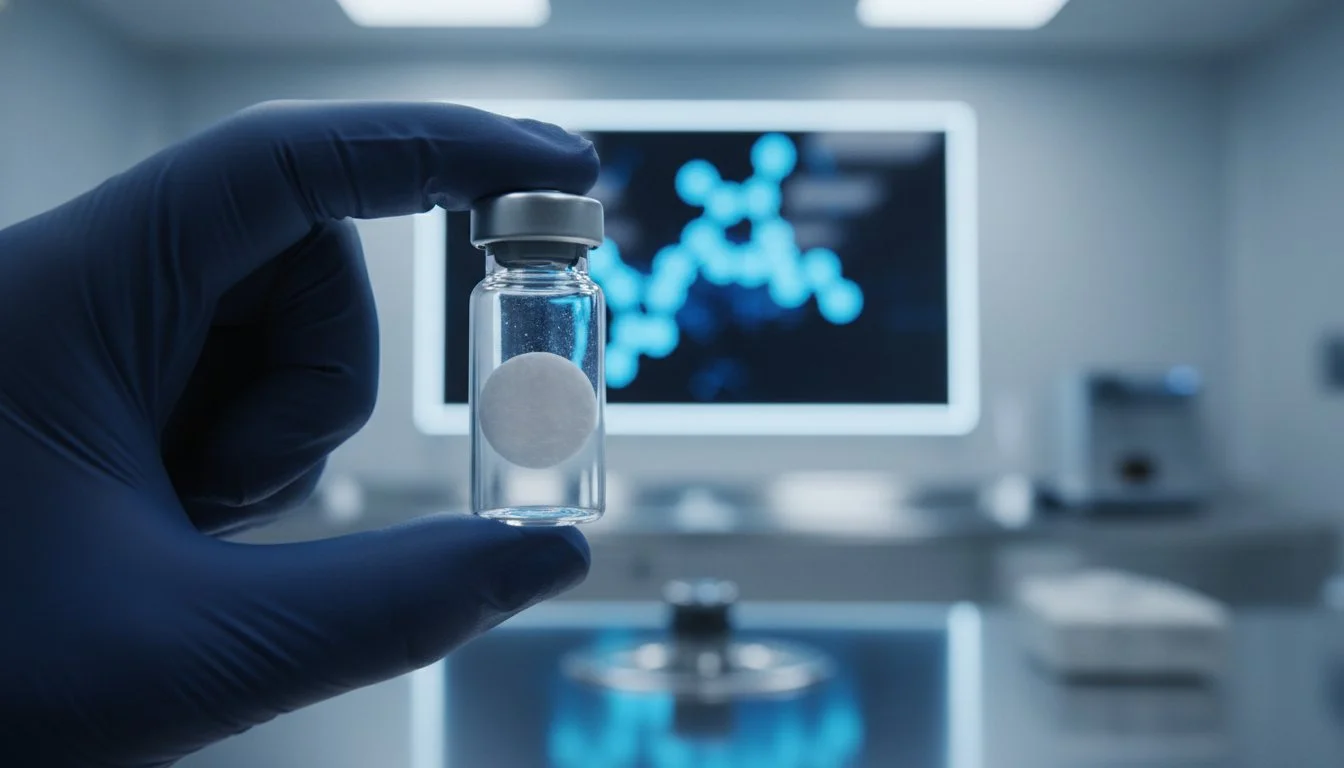
In rigorous cellular research, a 2% margin of impurity is not merely a statistical deviation; it’s a critical variable that can invalidate months of laboratory data. For investigators identifying tb-500 peptide for sale, the primary challenge remains the distinction between inconsistent industrial-grade compounds and the high-purity sequences required for reproducible results. It’s understood that the current market often lacks the transparent third-party testing and analytical rigor necessary for high-level scientific inquiry. This instability in the supply chain often compromises the integrity of experimental protocols and laboratory standards.
This guide provides a comprehensive technical analysis of TB-500 molecular mechanisms and the stringent procurement standards required for modern laboratory applications. You’ll gain a definitive understanding of reconstitution protocols and environmental stability requirements while learning to validate supplier analytical standards with precision. We also detail the May 2026 regulatory landscape, including the July 23-24 FDA Pharmacy Compounding Advisory Committee meeting, to ensure your procurement process aligns with the latest federal shifts and institutional safety mandates. By prioritizing >99% purity, researchers can eliminate unnecessary variables and focus on achieving verifiable scientific outcomes.
Key Takeaways
- Identify the molecular distinction between TB-500 and growth hormone peptides, specifically its function as a synthetic analog of the 43-amino acid Thymosin Beta-4.
- Analyze the primary biological mechanisms of action, focusing on actin sequestration and the upregulation of Vascular Endothelial Growth Factor (VEGF) for angiogenesis research.
- Establish rigorous procurement standards for tb-500 peptide for sale by prioritizing >99% purity verified through High-Performance Liquid Chromatography (HPLC) reports.
- Implement standardized laboratory protocols for the reconstitution and stabilization of lyophilized sequences using bacteriostatic water to ensure experimental reproducibility.
What is TB-500 and How Does it Relate to HGH Peptides?
TB-500 is a synthetic analog of the naturally occurring 43-amino acid peptide known as Thymosin Beta-4. While it’s frequently categorized alongside hgh peptides in scientific literature, TB-500 doesn’t function as a growth hormone secretagogue. Its primary biological utility in a laboratory setting stems from its G-actin binding domain. This specific sequence allows the peptide to sequester actin, which is a fundamental protein responsible for cellular structure and motility. Researchers seeking high-purity tb-500 peptide for sale prioritize this synthetic variant for its ability to diffuse across cellular membranes and influence systemic regenerative pathways. To understand the historical development and basic properties of this compound, investigators often ask: What is TB-500? It’s fundamentally a tool for investigating cellular migration and tissue repair within controlled environments.
The Distinction Between TB-500 and Thymosin Beta-4
Confusion often arises between the full-length Thymosin Beta-4 protein and the synthetic TB-500 fragment. While the endogenous protein is produced in the thymus gland and stored in high concentrations within platelets, TB-500 refers specifically to the synthetic laboratory version. The full protein contains 43 amino acids, yet many research applications focus on the active (17-23) fragment, which retains the critical G-actin binding properties. This synthetic precision ensures that researchers can observe specific biological interactions without the complexity of the full protein’s multiple domains. Laboratory-grade TB-500 is synthesized to ensure that these active sequences remain stable during reconstitution and experimentation.
TB-500 in the Context of Growth Hormone Research
Although TB-500 isn’t a growth hormone, it provides a complementary data point when studied alongside HGH secretagogues like Ipamorelin or CJC-1295. Growth hormones typically influence cellular proliferation through systemic endocrine pathways; conversely, TB-500 influences the mechanical ability of those cells to migrate and organize. This synergistic potential between actin-regulating peptides and GH pathways is a common focus in musculoskeletal research. Laboratory classifications often group these chemicals together because they both address aspects of cellular regeneration and repair in preclinical models. Investigating these dual pathways allows for a more holistic understanding of tissue-specific responses to peptide-based stimuli.
Acquiring tb-500 peptide for sale requires a strict adherence to institutional safety standards. All variants of this peptide are intended exclusively for laboratory research use. They are not for human consumption or therapeutic use. Scientific integrity depends on maintaining these regulatory boundaries while utilizing high-purity compounds for cellular analysis. By adhering to these protocols, investigators ensure that their results are reproducible and their laboratory environments remain compliant with current safety mandates.
What is the Biological Mechanism of Action for TB-500 in Research?
The biological efficacy of TB-500 is dictated by its ability to sequester G-actin, a globular protein that serves as the building block for the cellular cytoskeleton. By binding to G-actin in a 1:1 ratio, the peptide prevents the premature polymerization into filamentous actin (F-actin). This maintains a critical reservoir of monomers available for rapid cytoskeletal reorganization. This mechanism is central to the peptide’s role in cellular motility, allowing cells to migrate efficiently toward sites of experimental injury. Researchers often prioritize finding tb-500 peptide for sale that meets exact purity standards to ensure these molecular interactions aren’t hindered by contaminants that could interfere with actin binding sites.
Actin Regulation and Cellular Migration
In various cellular models, the transition from globular to filamentous actin is the driving force behind lamellipodia formation, which is the “foot” a cell uses to move. TB-500 facilitates this process by acting as a molecular chaperone, transporting actin monomers to where they’re most needed for structural repair. This regulation is particularly relevant in studies involving wound healing and tissue regeneration, where the rate of cellular influx determines the speed of recovery. Unlike other regenerative compounds, TB-500’s small molecular size allows it to travel through tissues and cross cellular membranes with relative ease, making it a versatile tool for systemic research applications.
Angiogenesis and Vascular Support Research
Beyond its structural role, TB-500 is a potent mediator of angiogenesis. It upregulates Vascular Endothelial Growth Factor (VEGF), which triggers the differentiation of endothelial cells into new capillary structures. This vascular support is a primary focus in cardiovascular and musculoskeletal research. For instance, a TB-500 clinical trial has previously investigated the peptide’s impact on cardiovascular biomarkers, highlighting its potential in ischemic tissue models. Investigators studying these pathways require consistent chemical profiles to map the correlation between peptide concentration and new blood vessel formation accurately.
The peptide also demonstrates a significant impact on the extracellular matrix (ECM) by modulating pro-inflammatory cytokines and collagen deposition. In laboratory models, it has been observed to decrease levels of IL-6 and other inflammatory markers, which helps stabilize the microenvironment for tissue remodeling. This doesn’t simply result in more collagen; it promotes organized collagen alignment, which is vital for the structural integrity of regenerated tissues. For researchers establishing these complex ischemic or inflammatory models, securing verified tb-500 peptide for sale is a prerequisite for maintaining data accuracy across multiple experimental cohorts.

How Does TB-500 Compare to BPC-157 and Other Regenerative Peptides?
In the selection of biochemical tools for regenerative research, investigators must distinguish between the systemic mobility of TB-500 and the localized efficacy often associated with other compounds. TB-500 is characterized by its low molecular weight and ability to travel across long distances through tissues, making it a truly systemic agent. This contrasts with bpc 157, which is frequently utilized for its potent localized effects on the gastric mucosa and specific tendon-to-bone junctions. While both are categorized as regenerative, their physiological pathways are entirely divergent. Researchers identifying tb-500 peptide for sale for their protocols must account for these mechanical differences to ensure the compound aligns with the specific tissue type under investigation.
The divergence in pathways is a critical factor in experimental design. BPC-157 primarily influences the nitric oxide (NO) pathway and the expression of VEGFR2 to stimulate blood flow and tissue stabilization. Conversely, TB-500 focuses on the G-actin binding domain to facilitate the physical migration of cells to the site of injury. Using these peptides in tandem allows for a multi-faceted approach to cellular repair, addressing both the structural requirements of the cytoskeleton and the biochemical signaling of the vascular system. Laboratory stacks involving both sequences are common because they provide a more comprehensive view of tissue-specific recovery than either peptide could provide in isolation.
TB-500 vs. BPC-157: A Technical Comparison
From a structural standpoint, the differences are significant. BPC-157 is a pentadecapeptide composed of 15 amino acids, whereas the full-length Thymosin Beta-4, from which TB-500 is derived, contains 43 amino acids. These structural variances dictate how each molecule interacts with cellular receptors and the extracellular matrix. While TB-500 binds specifically to G-actin to prevent polymerization, BPC-157 acts as a regulatory ligand that modulates the growth factor response. Their roles in tendon, ligament, and muscle research are complementary rather than redundant, as one provides the mechanical mobility while the other stabilizes the healing environment.
The Rationale for Peptide Blends in Scientific Inquiry
Researchers often utilize pre-mixed vials or simultaneous administration to maintain consistency in multi-variable assays. Utilizing a standardized 1:1 or 1:2 ratio of these peptides in current literature helps reduce the complexity of experimental data. However, investigators should be cautious regarding the risks of cross-reactivity or degradation in unverified peptide combinations. High-purity tb-500 peptide for sale should always be verified through independent HPLC testing before being introduced into a combined research environment. Ensuring the integrity of each individual sequence is the only way to validate the results of a synergistic study. This methodical approach to procurement ensures that the interaction observed is a result of the peptides’ biological mechanisms rather than a byproduct of chemical impurities.
What Should Researchers Look for When Finding TB-500 Peptide for Sale?
Scientific reproducibility hinges entirely on the chemical integrity of the raw material. When identifying tb-500 peptide for sale, investigators must look beyond marketing claims and demand quantitative evidence of purity. A purity threshold of >99% is the established industry standard for research-grade compounds. Anything less introduces unknown variables into cellular models, potentially invalidating months of laboratory data. High-Performance Liquid Chromatography (HPLC) remains the definitive method for assessing this chemical homogeneity. It identifies the presence of related substances or synthesis byproducts that could skew experimental outcomes. Mass Spectrometry (MS) complements this by confirming that the molecular weight of the peptide matches the theoretical sequence identity of the 43-amino acid chain.
Rigorous procurement protocols require that every vial is accompanied by a Certificate of Analysis (COA) that is both current and batch-specific. Sequence identity verification via MS ensures the researcher is receiving the correct analog rather than a truncated fragment. Because these peptides are highly sensitive to environmental factors, the manufacturing process must include professional lyophilization to stabilize the molecule. This freeze-drying process removes moisture and prevents hydrolytic degradation, which is critical for maintaining potency during international transit and long-term storage.
Verifying Third-Party Lab Reports
Independent verification is superior to in-house manufacturer testing because it removes the conflict of interest inherent in self-reporting. Researchers should carefully check COAs for batch-specific identifiers and recent timestamps that align with the current inventory. Red flags in documentation include blurred logos, inconsistent typography, or missing data points in the chromatogram. If a supplier cannot provide a verifiable link to a third-party laboratory’s original report, the chemical integrity of the compound cannot be guaranteed. Objective data from established analytical facilities provides the baseline of trust required for high-level institutional research.
The Role of Lyophilization in Quality Assurance
Lyophilization is a sophisticated dehydration process that preserves the structural integrity of the peptide. A high-quality lyophilized “cake” typically appears as a solid, uniform mass at the bottom of the vial. In contrast, loose or granular powder often indicates improper freeze-drying cycles or exposure to moisture, both of which lead to rapid degradation. For more specific information on maintaining these standards in your facility, refer to our guide on tb-500 research peptide handling. Adhering to these visual and analytical benchmarks ensures that the tb-500 peptide for sale you acquire remains viable for the duration of your study.
Maintaining these stringent standards is the only way to protect the validity of your scientific findings. You can procure high-purity TB-500 for your laboratory from our verified inventory to ensure your research starts with a foundation of precision and reliability.
How Should TB-500 Be Handled, Reconstituted, and Stored in a Lab?
The secondary structure of synthetic peptides is notably delicate, requiring precise environmental controls to maintain biological activity. Once an investigator has identified a reliable source of tb-500 peptide for sale, the preservation of the compound’s biochemical integrity depends entirely on standardized handling techniques. The peptide bond is susceptible to hydrolysis and enzymatic degradation if exposed to improper temperatures or mechanical stress. Laboratory personnel must treat the lyophilized powder as a fragile sequence that necessitates a controlled environment from the moment of procurement through the final assay.
Selection of the correct solvent is the first critical step in the reconstitution process. Bacteriostatic water, which contains 0.9% benzyl alcohol, is the preferred diluent for multi-use research vials because it inhibits microbial growth for up to 28 days. In contrast, sterile saline may be utilized for specific short-term cellular models where the presence of an antimicrobial agent might interfere with the experimental results. Regardless of the solvent choice, the introduction of the liquid must be performed with extreme care to avoid shear stress, which can lead to the denaturation of the peptide chain.
Precision Reconstitution Protocols
To reconstitute the lyophilized cake, the solvent should be aimed at the inner wall of the vial rather than directly onto the powder. This technique prevents the formation of foam, which can trap peptide molecules and lead to inaccurate dosing. Utilizing a peptide calculator ensures that the resulting solution matches the specific molarity required for the assay. After the solvent is introduced, the vial should be gently swirled. Never shake the vial; vigorous agitation introduces mechanical energy that can break the delicate molecular bonds of the TB-500 sequence. Researchers working with other fragile peptide sequences in their laboratory may also benefit from reviewing a professional melanotan ii reconstitution protocol for research, which details the same principles of diluent selection and gentle integration techniques applicable across multiple compound classes.
Stability and Degradation Timelines
The shelf-life of TB-500 varies significantly based on its physical state and storage temperature. Lyophilized powder remains stable for approximately 24 months when stored in a deep freeze at -20°C. For immediate research needs, it’s acceptable to store the powder at 4°C for up to 12 months. However, once the peptide is reconstituted, the stability window narrows considerably. Potency typically remains optimal for 14 days when refrigerated at 4°C, with noticeable degradation occurring after 30 days. All research vials should be kept in light-sensitive storage, as UV exposure can catalyze the breakdown of the amino acid chain. Maintaining these rigorous environmental controls is the final step in ensuring that the tb-500 peptide for sale used in your laboratory yields high-fidelity, reproducible data.
Standardizing Procurement for Scientific Integrity
Advancing cellular research requires a disciplined approach to both experimental design and material procurement. Investigators have established that the efficacy of TB-500 in actin sequestration and angiogenesis models depends on the use of high-purity sequences that are free from synthesis byproducts. By prioritizing >99% purity and verifying each batch through independent HPLC and Mass Spectrometry reports, researchers can eliminate critical variables that might otherwise compromise laboratory results. Maintaining these stringent standards ensures that data remains reproducible across diverse cohorts and various tissue-specific models.
When you identify tb-500 peptide for sale through our platform, you’re accessing compounds that are trusted by research institutions worldwide. Every vial undergoes rigorous third-party lab testing and utilizes professional, temperature-stable lyophilization to ensure chemical integrity during global shipping. This commitment to quality control allows you to focus on the technical specifics of your assays without concern for material degradation. We invite you to Procure High-Purity TB-500 for Your Laboratory Research and secure the analytical precision your projects demand. We look forward to supporting the success of your upcoming scientific investigations.
Frequently Asked Questions
Is TB-500 the same as Thymosin Beta-4?
TB-500 is not identical to the full length Thymosin Beta-4 protein. It is a synthetic analog that represents a specific fragment of the 43 amino acid sequence, primarily the G-actin binding domain. While it mimics the active portion of the endogenous protein, it’s a distinct laboratory compound synthesized for high stability and systemic diffusion in research models. This distinction is critical for investigators who require precise molecular targets within their cellular assays.
What is the required purity level for TB-500 in laboratory research?
High-precision laboratory research requires a purity threshold of >99% as verified by HPLC analysis. Using a compound with lower purity introduces unknown variables and synthesis byproducts that can compromise the integrity of experimental data. When identifying tb-500 peptide for sale, researchers must prioritize these absolute standards to ensure that observed biological responses are solely attributable to the peptide sequence and not to contaminants.
Can TB-500 be used for human or veterinary consumption?
No. TB-500 is strictly intended for laboratory research purposes only and is not for human or veterinary consumption. All procurement must align with these regulatory boundaries. The compound is sold exclusively as a research chemical for use in controlled environments, and any use outside of professional laboratory inquiry is strictly prohibited by institutional and federal policies.
How should lyophilized TB-500 be stored upon arrival?
Upon arrival, lyophilized vials should be transferred immediately to a temperature-controlled environment to prevent degradation. For long term storage exceeding 12 months, the powder should be kept in a deep freeze at -20°C. If the research protocol requires use within a shorter timeframe, refrigeration at 4°C is sufficient. Vials must remain in light-shielded containers to protect the amino acid chain from UV-induced breakdown.
What is the difference between TB-500 and BPC-157 in research applications?
TB-500 is a systemic agent that primarily influences actin sequestration and cellular motility across long distances in tissue models. Conversely, BPC-157 is often used to investigate localized repair via the nitric oxide pathway and growth factor upregulation. While researchers frequently study them in tandem for their synergistic potential, they target entirely different biological mechanisms and are selected based on the specific tissue type or signaling pathway under investigation.
How much bacteriostatic water is typically used for a 5mg TB-500 vial?
Researchers typically utilize 1ml to 2ml of bacteriostatic water to reconstitute a 5mg vial of TB-500. The specific volume of diluent is determined by the required concentration for the planned laboratory assay. It’s standard practice to use a precision peptide calculator to ensure the molarity of the solution is accurate, which is essential for maintaining dosing consistency across multiple experimental cohorts.
What are the signs of peptide degradation in TB-500?
Visual signs of degradation include the collapse of the lyophilized cake into a loose, granular, or yellowish powder. Once reconstituted, the solution should remain clear and colorless. Any cloudiness, precipitation, or visible particulates indicate that the peptide has undergone significant degradation or contamination. Such vials should be discarded immediately to avoid introducing compromised material into the research environment.
Does Nexa Peptide Store provide third-party testing for all TB-500 batches?
Yes. Every batch of tb-500 peptide for sale is subjected to rigorous third-party testing to verify sequence identity and purity. We provide HPLC and Mass Spectrometry reports for every lot to ensure our compounds exceed the 99% purity standard. This commitment to analytical transparency provides researchers with the necessary assurance that their raw materials meet the highest institutional requirements for scientific inquiry.
