
- Your cart is empty
- Continue shopping
-
Dr Hoffman
- Posted on
- Categories:Uncategorized
- 0 comments
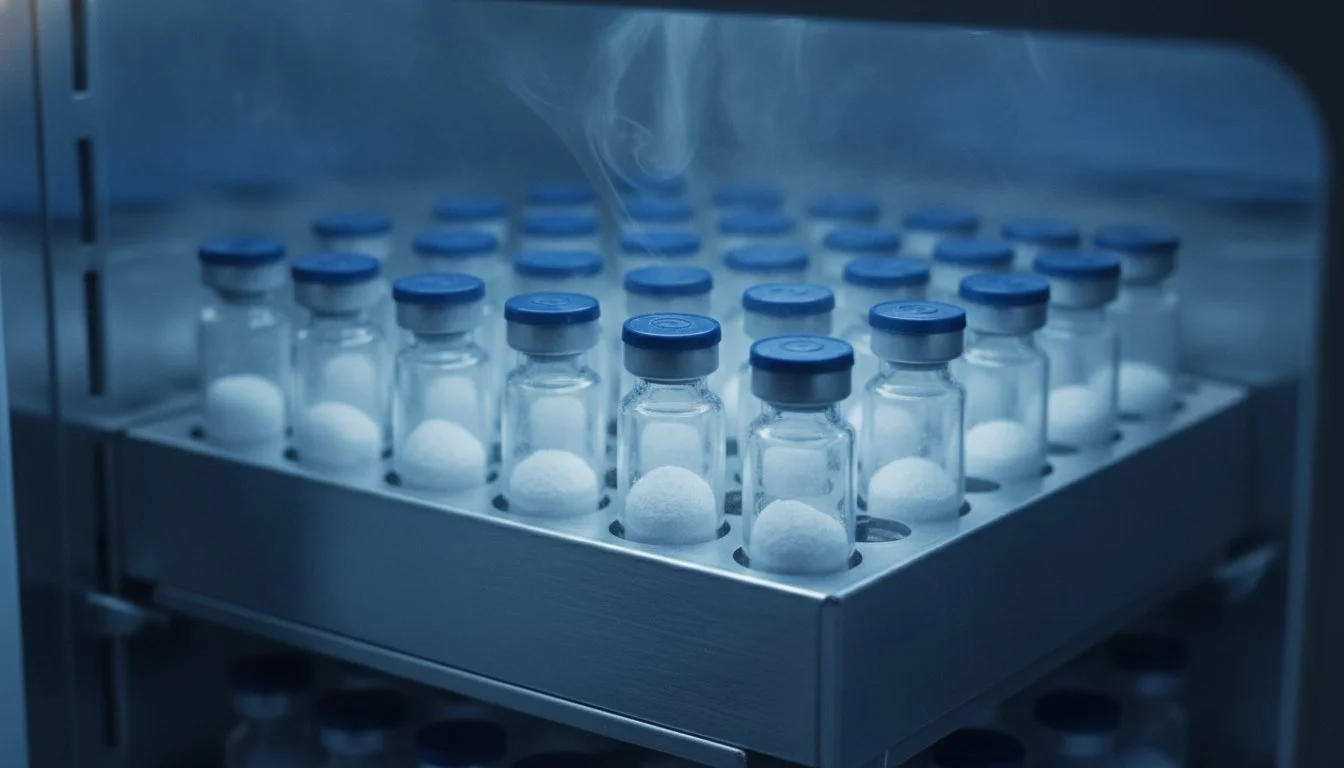
A single night of temperature fluctuation in a frost-free freezer can silently compromise months of research and undermine experimental results by degrading high-purity peptides. Most researchers understand that heat is the primary catalyst for degradation, yet they often struggle with conflicting data from various suppliers regarding the ideal long term peptide storage temperature. It’s frustrating to manage expensive research materials when storage protocols remain vague or inconsistent across different laboratory environments. We recognize that clinical precision in environmental control is just as vital as precision at the lab bench.
This guide provides the definitive technical standards required to preserve the structural integrity of your lyophilized and reconstituted products for years, not just weeks. You’ll gain access to a comprehensive temperature chart for various states of matter, a precise protocol to eliminate thermal shock, and a detailed breakdown of how moisture exclusion impacts long-term viability. By implementing these established laboratory standards, you can ensure that your investigations remain grounded in stable, reliable data.
Key Takeaways
- Understand how to mitigate the primary degradation pathways of hydrolysis and oxidation through precise environmental and moisture controls.
- Identify why -20°C is the established laboratory benchmark for long term peptide storage temperature and when ultra-low -80°C storage is required.
- Master the protocol for aliquoting reconstituted peptides to prevent the rapid decline in biological activity caused by repeated freeze-thaw cycles.
- Learn why standard frost-free freezers are unsuitable for sensitive research materials due to inherent temperature fluctuations during defrost cycles.
- Discover the critical relationship between advanced lyophilization technology and the preservation of 99%+ peptide purity over multi-year durations.
Understanding Peptide Stability and the Mechanisms of Thermal Degradation
Peptide stability refers to the preservation of a molecule’s chemical structure and biological potency over a specific duration. To understand why storage conditions matter, one must first ask: What are Peptides? At their core, they are short chains of amino acids linked by peptide bonds. These bonds are susceptible to various environmental pressures that can lead to irreversible degradation. Maintaining stability ensures that the research material remains viable for its intended laboratory application without losing the purity required for reproducible results.
Two primary chemical pathways dominate the degradation process: hydrolysis and oxidation. Hydrolysis occurs when water molecules react with the peptide backbone, effectively cleaving the chain and rendering the sequence inactive. This is why moisture control is a critical component of maintaining the ideal long term peptide storage temperature. Oxidation typically targets specific amino acid side chains when they’re exposed to oxygen or light, leading to the formation of sulfoxides or other altered chemical species that change the molecule’s behavior.
Temperature acts as a primary catalyst in these reactions by increasing the kinetic energy within the system. As ambient or storage temperatures rise, molecules move more rapidly, which increases the frequency and force of collisions between peptides and reactive elements like water or oxygen. This thermal energy eventually exceeds the stability of the peptide’s internal bonds, causing them to break. Consequently, controlling the long term peptide storage temperature is the most effective way to slow these kinetic processes and extend the shelf life of the material.
Lyophilized, or freeze-dried, peptides offer significantly higher stability than those in liquid solution. By removing the water through sublimation, the primary medium for hydrolysis is eliminated. In a dry, powdered state, the molecules are essentially locked in place, which drastically reduces the rate of chemical interaction. While liquid peptides might degrade within days or weeks, lyophilized products can remain stable for years when kept under rigorous environmental controls.
The Impact of Amino Acid Sequence on Stability
The specific arrangement of amino acids dictates how fragile a peptide is. High-risk residues such as Methionine (M), Cysteine (C), and Tryptophan (W) are particularly prone to oxidation. These residues require stricter anaerobic conditions to prevent degradation. Sequence length also plays a role; longer chains often have more complex folding patterns that can be easily disrupted by thermal stress. For instance, disulfide-rich sequences like Tirzepatide require precise handling to preserve the specific bridges that maintain their biological activity.
Environmental Stressors Beyond Temperature
Light and humidity present secondary but equally dangerous threats. Photolytic degradation occurs when UV or ambient light provides enough energy to break chemical bonds, particularly in peptides containing aromatic rings. Humidity is often called the silent killer of stability because lyophilized powders are hygroscopic, meaning they naturally attract water from the air. Even a brief exposure to moist air can initiate the hydrolysis process before a vial is even opened. Thermal degradation is the loss of peptide purity due to kinetic energy exceeding bond stability.
Optimal Temperatures for Long-Term Lyophilized Peptide Storage
Establishing a rigorous long term peptide storage temperature protocol is the most effective way to safeguard the chemical integrity of your research materials. For lyophilized peptides, the industry benchmark for preservation spanning 12 to 24 months is a standard laboratory freezer maintained at -20°C. This temperature level effectively suppresses most kinetic energy, significantly slowing the degradation pathways of hydrolysis and oxidation discussed in previous sections. According to guidelines on Peptide Handling, dissolution & Storage, maintaining a consistent sub-zero environment is non-negotiable for institutional research integrity.
A critical technical requirement often overlooked in laboratory settings is the type of refrigeration unit employed. Researchers must avoid frost-free freezers. These units utilize internal heating elements to melt ice accumulation on a regular cycle, causing the internal temperature to fluctuate by several degrees. For sensitive amino acid sequences, these repeated thermal cycles act as a form of cumulative stress that accelerates bond cleavage. A manual defrost freezer is the only acceptable standard for long-term archiving, as it maintains a stable thermal baseline without programmed interruptions.
Storage duration is directly correlated to the temperature tier selected. At room temperature, lyophilized peptides typically remain stable for only a few days to weeks. Refrigeration at 4°C extends this window to several months, making it suitable for active projects. However, for periods exceeding six months, -20°C is required to maintain 95% or higher purity. When multi-year preservation is necessary, ultra-low temperature storage at -80°C becomes the preferred standard to ensure the molecule remains virtually unchanged over five or more years.
The -20°C vs. -80°C Debate for Research Facilities
The choice between standard and ultra-low storage often depends on the specific sequence and the intended research timeline. While -20°C is sufficient for common compounds like BPC-157, highly sensitive or expensive sequences benefit from the increased stability of -80°C. For institutional laboratories managing vast libraries, the additional energy costs of ultra-low freezers are justified by the nearly indefinite preservation of material purity. Independent researchers might find -20°C a more practical balance of cost and efficacy, provided the equipment is a dedicated manual-defrost unit.
Desiccation Protocols within the Freezer
Temperature control alone isn’t enough; moisture exclusion is equally vital. Vials should be stored within secondary airtight containers, such as vacuum-sealed bags or heavy-duty desiccator jars, to provide an extra barrier against humidity. Including silica gel packets within these containers helps maintain an environment with less than 10% humidity, which is essential because lyophilized powder is highly hygroscopic. Before archiving, ensure every vial is sealed tightly; applying Parafilm around the cap provides a final, redundant layer of protection against the ingress of moist air during freezer access. If you require materials prepared to these exacting standards, you can order research-grade peptides from a supplier that prioritizes laboratory integrity.

Short-Term Storage and Handling: Refrigeration vs. Ambient Exposure
While establishing a rigorous long term peptide storage temperature of -20°C is essential for archiving, daily laboratory operations require distinct protocols for peptides in active use. Refrigeration at 4°C serves as the institutional standard for materials accessed frequently over a one to four week window. This temperature level provides a sufficient thermal buffer to slow chemical degradation while allowing for shorter preparation times compared to deep-freeze retrieval. However, researchers must strictly limit ambient or room temperature exposure. For the majority of sequences, cumulative exposure to temperatures exceeding 20°C shouldn’t surpass 24 to 48 hours, as the resulting kinetic energy begins to compromise the molecular structure and purity profile.
The most pervasive handling error in laboratory environments occurs when a vial is opened immediately after removal from cold storage. This violation of the Acclimation Rule leads to atmospheric moisture condensing on the interior surfaces of the vial and the lyophilized powder itself. Because lyophilized material is highly hygroscopic, it rapidly absorbs this condensation, introducing water into a previously dry environment. This moisture triggers hydrolysis, which can negate the benefits of a carefully maintained long term peptide storage temperature. To preserve the integrity of the research material, vials must remain sealed until they reach thermal equilibrium with the laboratory environment.
The Benchtop Protocol: Moving from Cold to Ambient
A mandatory 30 to 60 minute equilibration period is required before breaking the seal of any vial retrieved from the freezer or refrigerator. During this time, the vial should be kept in a dry area away from direct heat sources. Researchers should perform a visual inspection for indicators of moisture contamination; lyophilized powder should appear as a consistent, uniform cake or a free-flowing dust. Any signs of clumping, stickiness, or a “melted” appearance suggest that the vacuum seal has failed or moisture has entered the vial. Special care is necessary for light-sensitive compounds such as Melanotan 2, which require storage in amber vials or opaque secondary containers to prevent photolytic degradation during benchtop use.
Transit Stability: What Happens During Shipping?
Lyophilization serves as a protective state that allows peptides to withstand the thermal stresses of standard shipping durations. Most research-grade peptides remain stable at ambient temperatures for several days during transit because the absence of water prevents immediate hydrolysis. However, cold-chain integrity remains a priority for highly sensitive research chemicals or during extreme weather conditions. Upon arrival, a post-transit inspection is vital. Laboratory personnel should verify the vial’s vacuum by ensuring the powder doesn’t shift excessively and check that the lyophilized cake hasn’t collapsed, which could indicate exposure to excessive heat or moisture during the logistical process.
Managing Reconstituted Peptides: Solution Stability and Aliquoting
Once a peptide is reconstituted, its chemical profile shifts from a stable solid to a highly volatile solution. In this liquid state, the molecule is continuously exposed to water molecules, which significantly accelerates the rate of hydrolysis. While a lyophilized powder might remain viable for years at a proper long term peptide storage temperature, the same compound in solution can lose significant potency within days or weeks. This rapid decline in stability necessitates a shift in laboratory handling protocols to ensure that the material remains effective for the duration of the study.
The choice of diluent plays a decisive role in maintaining liquid-state longevity. Bacteriostatic water is the preferred standard for multi-use vials because it contains 0.9% benzyl alcohol, which inhibits microbial growth and extends the shelf life of the solution. In contrast, sterile water lacks these preservative properties, making the solution more susceptible to contamination and faster degradation. Regardless of the diluent, repeated freeze-thaw cycles must be avoided. Each time a vial is frozen and thawed, the peptide undergoes significant thermal shock and physical stress from ice crystal formation, which can irreversibly damage the delicate molecular structure.
The Step-by-Step Aliquoting Protocol
Aliquoting is the most effective method for extending the life of reconstituted research materials. By dividing the initial solution into smaller, single-use volumes, you eliminate the need for repeated thermal cycling of the entire stock. Precision is vital during this process; utilize a Peptide Calculator to ensure accurate distribution and concentration across all samples. Use sterile, low-protein-binding microcentrifuge tubes to prevent the peptide from adhering to the plastic walls. For maximum preservation, employ flash-freezing techniques to create a structural “snapshot” of the peptide before placing the aliquots in a dedicated manual-defrost freezer at -20°C.
Stability Windows for Reconstituted Solutions
At a refrigeration temperature of 4°C, common research compounds like BPC-157, Semaglutide, and Tirzepatide typically remain stable for 14 to 28 days. The specific longevity is often influenced by the pH of the final solution and the choice of buffer; extreme pH levels can catalyze bond cleavage even at low temperatures. While freezing aliquots can preserve liquid integrity for several months, reconstituted peptides should never be stored in a non-manual-defrost freezer due to the heat-shock cycles inherent in the defrost mechanism. To maintain the highest laboratory standards, you should source high-purity bacteriostatic water and research materials from a supplier that understands these technical requirements. Maintaining a consistent long term peptide storage temperature for your archived aliquots ensures that every stage of your research is supported by stable, high-quality compounds.
Nexa Peptide Store: Engineered for Long-Term Laboratory Integrity
High-purity research materials are the foundation of experimental reproducibility. Nexa Peptide Store maintains an uncompromising stance on quality control by ensuring that every vial reaches a minimum purity threshold of 99%. This elevated baseline is critical because even minor impurities can act as catalysts for degradation when materials are held at a long term peptide storage temperature for extended periods. By starting with a cleaner chemical profile, researchers can be confident that their archived samples will maintain biological activity throughout the lifecycle of the study. We position ourselves as a technical peer to the institutions we serve, prioritizing laboratory standards over commercial hype.
Advanced lyophilization technology is employed to achieve a residual moisture content of less than 3% in every vial. This technical precision is essential; as established in previous sections, moisture is the primary driver of hydrolysis. Our vial architecture utilizes Type I borosilicate glass. This material is chosen for its superior chemical neutrality and exceptional thermal resistance. It ensures that the container itself doesn’t leach ions or fail during the rapid temperature shifts associated with deep-freeze archiving or transit. These engineering choices provide a robust defense against the environmental stressors that typically compromise research integrity.
Global logistics are managed with the same level of discipline as our manufacturing processes. We utilize specialized shipping protocols to maintain integrity during international transit, ensuring that the material arrives in its optimal lyophilized state regardless of the destination. This commitment to logistical efficiency allows global researchers to receive materials that are ready for immediate use or long-term archiving without the fear of prior thermal damage. We understand that the stability of your research depends on the stability of our supply chain.
Third-Party Verification and Quality Control
Third-party verification is a core pillar of our operational transparency. Every batch undergoes rigorous High-Performance Liquid Chromatography (HPLC) and Mass Spectrometry (MS) testing to verify sequence identity and purity levels. Researchers can access Certificates of Analysis (COAs) for every product, providing the baseline data necessary for longitudinal stability tracking. For a deeper understanding of these benchmarks, consult our article on Research Peptides: A Comprehensive Guide to Quality. This documentation ensures that your laboratory has a verifiable starting point for all purity assessments.
Procurement for Longitudinal Studies
Longitudinal studies require a consistent supply of identical chemical batches to minimize variables over time. Nexa supports institutional procurement through robust batch tracking and bulk purchase strategies, allowing facilities to secure their entire project’s requirements at once. This approach simplifies the management of long term peptide storage temperature protocols by ensuring all archived materials share the same manufacturing history and environmental tolerances. By consolidating procurement, laboratories can maintain a higher degree of control over their inventory and experimental outcomes. Secure high-purity peptides for your next long-term study at Nexa Peptide Store.
Advancing Laboratory Standards for Peptide Longevity
Successful longitudinal research depends on the uncompromising preservation of molecular integrity. By adhering to a strict long term peptide storage temperature of -20°C or -80°C within manual-defrost units, you effectively mitigate the kinetic energy that drives hydrolysis and oxidation. It’s vital to remember that the transition from a lyophilized state to a liquid solution represents the most significant risk to stability; therefore, rigorous aliquoting and moisture control must remain central to your laboratory protocols. These disciplined steps ensure that your data remains reproducible and your research materials stay viable for years.
Nexa Peptide Store remains a dedicated partner to the global scientific community by providing materials that exceed industry expectations. Our catalog features 99%+ purity guaranteed research peptides, each supported by third-party lab testing and HPLC verification. We ensure your investigations begin with a robust baseline through our global shipping with cold-chain support, safeguarding your samples from the moment of manufacture until they arrive at your facility. Browse Our Catalog of Research Peptides to secure the high-stability compounds required for your next breakthrough. We look forward to supporting your ongoing contributions to scientific discovery.
Frequently Asked Questions
Can I store peptides in a regular kitchen freezer?
Kitchen freezers are unsuitable for research materials because they typically utilize frost-free technology. These units cycle through heating phases to prevent ice buildup, which causes internal temperatures to fluctuate significantly. This thermal cycling acts as a cumulative stressor on delicate amino acid sequences and compromises purity. A dedicated manual-defrost laboratory freezer is the only way to ensure a stable thermal environment for long-term archiving.
How long do lyophilized peptides last at room temperature?
Lyophilized peptides are relatively stable and can typically withstand room temperature exposure for 24 to 48 hours without significant purity loss. Some sequences may remain viable for up to several weeks if kept in a dry, dark environment. However, prolonged ambient exposure eventually provides enough kinetic energy to initiate degradation pathways. Refrigeration or freezing remains necessary for any research material not intended for immediate benchtop use.
What is the best way to prevent condensation in peptide vials?
The most effective method is strictly following the equilibration protocol before breaking the vial’s seal. You must allow the vial to sit at room temperature for at least 30 to 60 minutes while it remains sealed. This prevents atmospheric humidity from condensing on the cold interior surfaces and the hygroscopic powder. Using secondary airtight containers with silica gel packets also provides a vital barrier against moisture ingress during storage.
Should I freeze peptides after they have been reconstituted?
Reconstituted peptides should be frozen only if they’ve been divided into single-use aliquots. Freezing a large volume in a single vial and subjecting it to repeated freeze-thaw cycles is catastrophic for molecular integrity. Each cycle creates ice crystals that can physically shear the peptide bonds and reduce potency. Aliquoting allows you to retrieve only what’s needed for a specific session while the remaining stock stays protected at a stable temperature.
Does light affect the storage temperature requirements for peptides?
Light exposure doesn’t alter the required long term peptide storage temperature, but it represents an independent degradation pathway. UV and ambient light can cause photolytic cleavage of aromatic amino acid residues even if the temperature is correctly maintained. For optimal results, you should store light-sensitive research compounds in amber glass vials or wrap secondary containers in foil to ensure total protection from light-driven oxidation during storage.
How can I tell if a peptide has degraded during storage?
Visual inspection can reveal advanced degradation, though it’s not a substitute for analytical verification. In lyophilized products, clumping, a “melted” appearance, or discoloration are clear signs of moisture ingress or thermal damage. In reconstituted solutions, the presence of particulates or a cloudy appearance indicates potential degradation or contamination. Definitive confirmation of purity and sequence integrity requires professional HPLC or Mass Spectrometry testing to ensure the material meets research standards.
Is -80°C storage necessary for all research peptides?
While -80°C provides the highest level of stability, it’s not a universal requirement for every project. A standard manual-defrost freezer set to -20°C is the recognized benchmark for long term peptide storage temperature for durations up to 24 months. Ultra-low storage at -80°C is primarily utilized for multi-year preservation or when handling exceptionally sensitive sequences that require maximum kinetic suppression to maintain their structural integrity.
How many freeze-thaw cycles can a peptide survive?
Peptides should ideally be subjected to zero freeze-thaw cycles once they’ve been reconstituted. While some robust sequences might survive one or two cycles with minimal loss, the cumulative damage from ice crystal formation and thermal shock is often unpredictable. The safest laboratory protocol is to aliquot the solution immediately after reconstitution. This ensures that each portion is only thawed once, preserving the original purity profile for every stage of your investigation.
