
- Your cart is empty
- Continue shopping
-
Dr Hoffman
- Posted on
- Categories:Uncategorized
- 0 comments
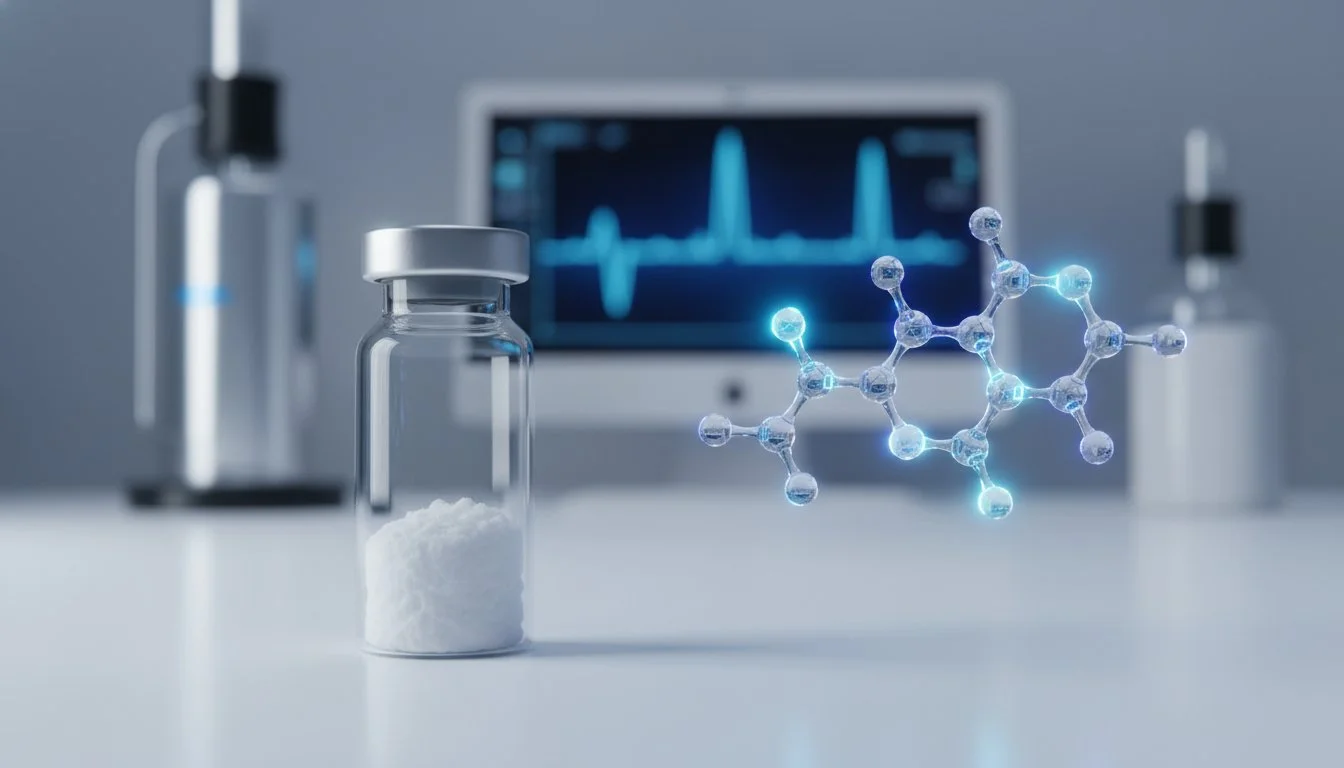
Procuring high-purity peptides for molecular investigation is no longer a simple procurement task; it’s a rigorous technical audit where the integrity of your data depends entirely on the verifiable transparency of the supplier. You understand that in a landscape where “research use only” labels can mask inconsistent manufacturing standards, the risk of peptide degradation or sub-par purity isn’t just a logistical hurdle, it’s a threat to your study’s reproducibility. When you choose to buy tirzepatide for research, you require more than a vial; you need a comprehensive technical dossier that confirms a 99% purity threshold and stable molecular structure.
This guide provides the standardized handling protocols, dual-agonist mechanism analysis, and third-party verification benchmarks necessary to establish a reliable laboratory supply chain. We prioritize clinical-grade precision and maintain an uncompromising stance on regulatory boundaries. This reference ensures your procurement process aligns with the highest laboratory standards, focusing on HPLC-verified data and rigorous environmental controls to preserve peptide efficacy during transit. All products discussed are strictly for laboratory research and are not intended for human consumption or therapeutic use.
Key Takeaways
- Analyze the structural evolution of tirzepatide as a dual GIP/GLP-1 receptor agonist and its synergistic influence on cAMP-mediated metabolic pathways.
- Evaluate the essential quality benchmarks, including the ≥99% purity threshold verified by HPLC, which are critical when you buy tirzepatide for research to ensure reproducible data.
- Implement standardized laboratory protocols for the reconstitution of lyophilized peptides using bacteriostatic water to maintain molecular stability during longitudinal studies.
- Establish a rigorous procurement audit by requiring batch-specific Certificates of Analysis and third-party verification for all 10mg tirzepatide acquisitions to guarantee technical precision.
The Evolution of Incretin Mimetics in Laboratory Research
The trajectory of metabolic research has shifted from isolated receptor targeting toward comprehensive multi-pathway activation. This transition defines the current era of incretin mimetics. Early studies focused primarily on selective Glucagon-like Peptide-1 (GLP-1) receptor agonists, which provided a foundational understanding of glucose-dependent insulin secretion. However, the emergence of multi-receptor synthetic analogs represents a significant leap in laboratory modeling. Investigators who buy tirzepatide for research are now examining how simultaneous activation of GLP-1 and Glucose-dependent Insulinotropic Polypeptide (GIP) receptors alters cellular signaling in ways that single-agonist compounds cannot replicate.
Known as a “twincretin,” Tirzepatide is a 39-amino-acid linear peptide based on the native GIP sequence. It’s engineered with a C20 fatty diacid moiety attached via a linker at the lysine residue at position 20. This specific structural modification is critical for laboratory investigators as it enables high-affinity binding to albumin, which significantly extends the compound’s half-life within experimental models. Utilizing research-grade chemicals with this level of structural integrity is essential for maintaining the precision required in modern in vitro and in vivo metabolic studies. This structural complexity allows for a more nuanced exploration of how “twincretins” reshape metabolic signaling and cellular response mechanisms.
Tirzepatide vs. Semaglutide: Molecular Divergence
While semaglutide remains a potent selective GLP-1 agonist, tirzepatide’s molecular architecture introduces a unique GIP component that alters binding affinity across multiple tissue types. This divergence is fundamental for studies comparing cAMP-mediated pathways in pancreatic beta cells. For a technical breakdown of these differences, researchers can refer to Semaglutide vs. Tirzepatide: A Detailed Comparison. In controlled laboratory environments, the dual-agonist approach often demonstrates superior stability profiles compared to traditional single-receptor ligands, offering a robust platform for long-term signaling analysis.
The Scope of Modern Peptide Research
Modern study areas have expanded beyond basic glycemic control to include adipose tissue signaling, bone metabolism, and CNS receptor density. Synthetic analogs serve as vital tools for understanding endogenous incretin functions and their systemic interactions. It’s vital for procurement officers to maintain strict regulatory compliance by ensuring all materials are designated for research purposes. We adhere to the “Research Use Only” boundary to support academic and institutional integrity. This discipline ensures that every batch of Tirzepatide 10mg meets the rigorous standards required for peer-reviewed scientific inquiry.
The Dual-Agonist Mechanism: GIP and GLP-1 Synergy
Tirzepatide represents a fundamental shift in molecular research by functioning as a unimolecular dual agonist. It targets both the Glucose-dependent Insulinotropic Polypeptide (GIP) and Glucagon-like Peptide-1 (GLP-1) receptors simultaneously. This dual-pathway activation is the primary reason investigators buy tirzepatide for research. It allows for the study of synergistic effects that single-agonist compounds cannot achieve. In pancreatic beta cells, this synergy manifests through intensified cAMP-mediated pathways. These pathways are essential for understanding glucose-dependent insulin secretion and how dual receptor engagement influences cellular signaling at a granular level.
The downstream effects of this dual agonism extend to adipose tissue metabolic signaling and complex energy balance regulation. While the clinical success of this mechanism led to FDA approval for weight management, laboratory investigators focus on the underlying molecular dynamics. Understanding how these two distinct pathways converge provides a more holistic view of metabolic homeostasis. For a comprehensive technical breakdown of these interactions, researchers should consult our Tirzepatide Mechanism of Action: A Molecular Research Guide (2026).
GIP Receptor Activation and Adipose Signaling
GIP receptors are expressed throughout the central nervous system and in peripheral adipose tissues. This distribution is a critical variable in metabolic research. Selective GLP-1 agonists do not engage these specific GIP-mediated metabolic control points. By activating the GIP receptor, tirzepatide allows researchers to investigate lipid metabolism and insulin sensitivity in ways that were previously limited. This engagement helps researchers study how the compound influences energy storage and systemic metabolic flexibility. If your study requires this level of precision, consider our Tirzepatide 10mg for your next experimental phase.
GLP-1 Pathways and Hypothalamic Regulation
The GLP-1 component of the peptide focuses on glucose-dependent insulin secretion and appetite-regulating signals within the brain. It functions through hypothalamic regulation to modulate energy intake and satiety. In preclinical research phases, GLP-1 is noted for its role in slowing gastric emptying. When these signals interact with GIP receptor populations, they produce enhanced metabolic data. This synergistic interaction between the two receptor populations is vital for researchers aiming to understand the full spectrum of energy balance regulation in complex biological models.

Procurement Standards: Identifying High-Purity Tirzepatide Online
Scientific procurement in the peptide industry requires a rigorous audit of analytical data rather than a simple commercial transaction. For molecular investigators, the hierarchy of peptide quality is absolute; 99% purity represents the laboratory gold standard for ensuring experimental reproducibility. When you buy tirzepatide for research, the chemical integrity of the compound directly dictates the validity of your metabolic signaling data. High-Performance Liquid Chromatography (HPLC) serves as the primary tool for verifying this composition, while Mass Spectrometry (MS) provides a secondary layer of confirmation by verifying the exact molecular weight of the 39-amino-acid sequence.
A comprehensive Certificate of Analysis (COA) is the foundational document for any procurement process. It shouldn’t merely list a final purity percentage but must include the raw data from which that figure is derived. Because tirzepatide functions as a dual agonist for GLP-1 and GIP, its structural complexity makes it susceptible to synthesis errors or degradation. A legitimate COA provides the transparency needed to verify that the peptide sequence is accurate and free from truncated sequences or residual solvents. We maintain an uncompromising stance on these standards to support the institutional credibility of the researchers we serve.
Interpreting Laboratory Test Results
Analyzing an HPLC chromatogram involves more than checking for a single peak. Investigators must identify baseline noise and any impurity peaks that could interfere with receptor binding studies. Verification of the molecular weight through MS ensures the peptide sequence is exact; even a minor deviation can alter the compound’s affinity for GIP or GLP-1 receptors. It’s vital to prioritize third-party, independent laboratory verification over internal manufacturer testing. This separation of production and verification provides an objective guarantee of product integrity that internal reports cannot match.
Sourcing from Reputable Peptide Suppliers
Institutional suppliers are defined by their longevity, transparency, and logistical reliability. A supplier’s history in the industry acts as a foundational trust marker for high-precision laboratories. Beyond the chemical itself, the value of climate-controlled transit and global shipping support is paramount to prevent peptide degradation during international transit. For a deeper understanding of these requirements, consult our Research Peptides: A Comprehensive Guide to Quality, Purity, and Laboratory Standards. We ensure that every batch of Tirzepatide 10mg is backed by specific quantitative proof points, aligning our operations with the rigorous demands of modern scientific inquiry.
Laboratory Protocols: Reconstitution, Storage, and Handling
The transition from procurement to laboratory application requires a deep understanding of peptide stability. High-purity peptides are typically provided in a lyophilized state. This freeze-drying process is essential for maintaining molecular integrity during transit, as it removes moisture and inhibits enzymatic degradation. When you buy tirzepatide for research, the compound arrives as a stable powder that must be handled with precise aseptic techniques to ensure its efficacy in experimental models. Any deviation from established handling protocols can compromise the peptide’s primary structure and lead to inaccurate signaling data.
Reconstitution is the most critical stage of laboratory preparation. Investigators must choose between bacteriostatic water and sterile water based on the duration of their study. Bacteriostatic water contains 0.9% benzyl alcohol, which serves as a preservative to inhibit bacterial growth in multi-dose vials. For studies requiring single-use applications or those where benzyl alcohol might interfere with cellular assays, sterile water is preferred. Regardless of the solvent, the transfer must be performed slowly. Avoid excessive agitation; swirling the vial gently is sufficient. Vigorous shaking can cause mechanical stress, leading to the aggregation or degradation of the delicate 39-amino-acid chain.
Precision Reconstitution Techniques
Achieving specific molar concentrations requires exact calculations of solvent volume relative to the peptide mass. Accuracy at this stage is non-negotiable for reproducible results. Researchers should utilize the Peptide Calculator Guide to verify their reconstitution protocols before proceeding. This tool ensures that the resulting solution aligns with the intended experimental dosage. Always ensure the solvent is introduced down the side of the vial wall rather than directly onto the lyophilized cake to minimize impact stress.
Long-Term Stability and Environmental Controls
Peptide integrity is highly sensitive to UV light and temperature fluctuations. Lyophilized powder should be stored in a dark environment at -20°C for short-term use, while -80°C is required for long-term preservation. Once reconstituted, the solution’s shelf life decreases significantly. It’s recommended to store reconstituted tirzepatide at 4°C for immediate use, typically not exceeding 14 days. To prevent damage from repeated freeze-thaw cycles, investigators should aliquot the solution into single-use volumes immediately after reconstitution. For the necessary laboratory solvents, you can procure Bacteriostatic Water 30ml to support your reconstitution protocols.
Nexa Peptide Store: Precision-Engineered Tirzepatide for Scientific Inquiry
Nexa Peptide Store operates at the intersection of laboratory standards and e-commerce efficiency. We recognize that the decision to buy tirzepatide for research is a commitment to data integrity. Our operational protocols prioritize chemical precision, ensuring that every 10mg vial maintains a purity threshold of ≥99%. This standard isn’t a mere marketing claim but a verified quantitative proof point. We provide detailed Certificates of Analysis (COAs) and third-party laboratory verification for every batch produced, establishing a foundation of institutional credibility for the researchers we serve.
Our global logistics infrastructure is specifically engineered for the rapid delivery of sensitive metabolic analogs. We employ specialized environmental controls to mitigate the risk of peptide degradation during international transit. This logistical discipline serves universities, independent laboratories, and global research organizations that require a dependable supply chain. By maintaining a highly organized and customer-aware presence, we act as a technical gatekeeper for the scientific community, ensuring that every shipment meets rigorous manufacturing benchmarks.
Why Nexa is the Preferred Choice for Investigators
We maintain a disciplined approach to clinical professionalism and technical transparency. Our extensive catalog features advanced metabolic tools, including the Retatrutide Peptide and other multi-receptor synthetic analogs essential for modern endocrinology studies. For large-scale longitudinal projects, we offer reliable wholesale and bulk procurement options. This scale allows institutional researchers to secure consistent batches, which is a critical factor in minimizing experimental variables across long-term study designs.
Ordering and Compliance Procedures
Our procurement process is streamlined for verified laboratory investigators. We maintain a firm and repetitive stance on usage policies; all compounds are strictly for laboratory research purposes. We don’t sell peptides for human consumption or provide medical prescriptions. This adherence to regulatory boundaries ensures the integrity of our partnerships with academic institutions and research organizations. Secure Tirzepatide for your next laboratory study today to ensure your project is supported by the industry’s highest manufacturing and verification standards.
Advancing Metabolic Research with Technical Precision
The transition toward multi-receptor synthetic analogs has redefined the landscape of metabolic investigation. Researchers who buy tirzepatide for research must move beyond simple procurement; they must prioritize the analytical data and handling protocols that ensure study reproducibility. By focusing on the dual GIP/GLP-1 receptor synergy and maintaining a strict ≥99% purity threshold, your laboratory can achieve the precision required for high-impact scientific inquiry. Every experimental outcome depends on the foundational integrity of your chemical supply chain.
Nexa Peptide Store remains committed to supporting these institutional standards through rigorous third-party HPLC and MS testing. Our global logistics infrastructure is designed for the secure transport of sensitive compounds, ensuring they reach your facility with their molecular structure fully preserved. Establishing a reliable partnership with a disciplined supplier allows your team to focus on data acquisition and discovery. We provide the technical dossiers and high-purity materials necessary to advance your study’s objectives with absolute confidence.
Order High-Purity Tirzepatide for Your Laboratory Research
We look forward to facilitating your next significant breakthrough in molecular science.
Frequently Asked Questions
Is Tirzepatide for research use only?
Yes, tirzepatide is strictly designated for laboratory research use only and is not intended for human consumption or therapeutic administration. When you buy tirzepatide for research, you acknowledge that the compound is a chemical reagent for in vitro and in vivo modeling. We maintain rigid adherence to these regulatory boundaries to preserve the institutional integrity of our scientific partners and ensure compliance with established industry standards.
How should I store Tirzepatide after I buy it online?
Optimal storage depends on the physical state of the peptide. Lyophilized powder should be kept in a dark environment at -20°C for short-term projects or -80°C for long-term preservation. Once you buy tirzepatide for research and reconstitute it, the solution must be stored at 4°C and used within 14 days. Aliquoting the solution immediately after reconstitution helps prevent degradation from repeated freeze-thaw cycles.
What is the purity level of Nexa Peptide Store’s Tirzepatide?
We guarantee a purity level of ≥99% for all tirzepatide batches within our catalog. This superlative standard is verified through rigorous High-Performance Liquid Chromatography (HPLC) and Mass Spectrometry (MS) testing. Maintaining this level of chemical precision is essential for researchers who require consistent and reproducible data in complex metabolic signaling studies. Each vial undergoes a disciplined quality control process to ensure clinical-grade reliability.
Can I get a COA for my specific batch of Tirzepatide?
Every batch of tirzepatide we produce is accompanied by a detailed, batch-specific Certificate of Analysis (COA). These documents include raw HPLC chromatograms and MS data to provide full technical transparency for the investigator. Scientists can access these reports to verify the molecular weight and purity threshold of their specific procurement before beginning laboratory protocols. This verification process is a core part of our commitment to institutional transparency.
What is the difference between Tirzepatide and Semaglutide in a lab setting?
The primary difference lies in receptor affinity; tirzepatide is a dual agonist targeting both GIP and GLP-1 receptors, while semaglutide is a selective GLP-1 receptor agonist. In a laboratory setting, this allows for the study of synergistic cAMP-mediated pathways that semaglutide cannot engage. This molecular divergence is a key factor in study design for investigators focusing on multi-pathway metabolic regulation and energy balance signaling.
What happens if the peptide is exposed to room temperature during shipping?
Lyophilized peptides are engineered for high stability and can withstand room-temperature exposure for the duration of standard shipping transit without compromising molecular integrity. Our global logistics infrastructure is designed to minimize environmental fluctuations during the delivery process. We utilize secure packaging to ensure the compound remains stable until it can be transferred to a temperature-controlled laboratory freezer upon arrival at your research facility.
How do I reconstitute Tirzepatide for my research protocol?
Reconstitution involves the aseptic transfer of bacteriostatic or sterile water into the peptide vial using a precision syringe. You should aim the solvent at the inner wall of the vial to allow it to flow slowly onto the lyophilized cake. Avoid vigorous shaking; instead, gently swirl the vial until the powder is completely dissolved. This method prevents mechanical stress and molecular aggregation, preserving the peptide’s primary structure for your assays.
Are there bulk discounts available for institutional research orders?
We provide reliable wholesale and bulk procurement options specifically tailored for universities, independent laboratories, and research organizations. These institutional support structures allow for consistent batch acquisition, which is vital for maintaining uniformity across long-term experimental phases. Verified investigators can contact our procurement team to discuss the technical specifics of bulk orders and establish a dependable supply chain for their ongoing scientific inquiry.
