- Your cart is empty
- Continue shopping
-
Dr Hoffman
- Posted on
- Categories:Uncategorized
- 0 comments
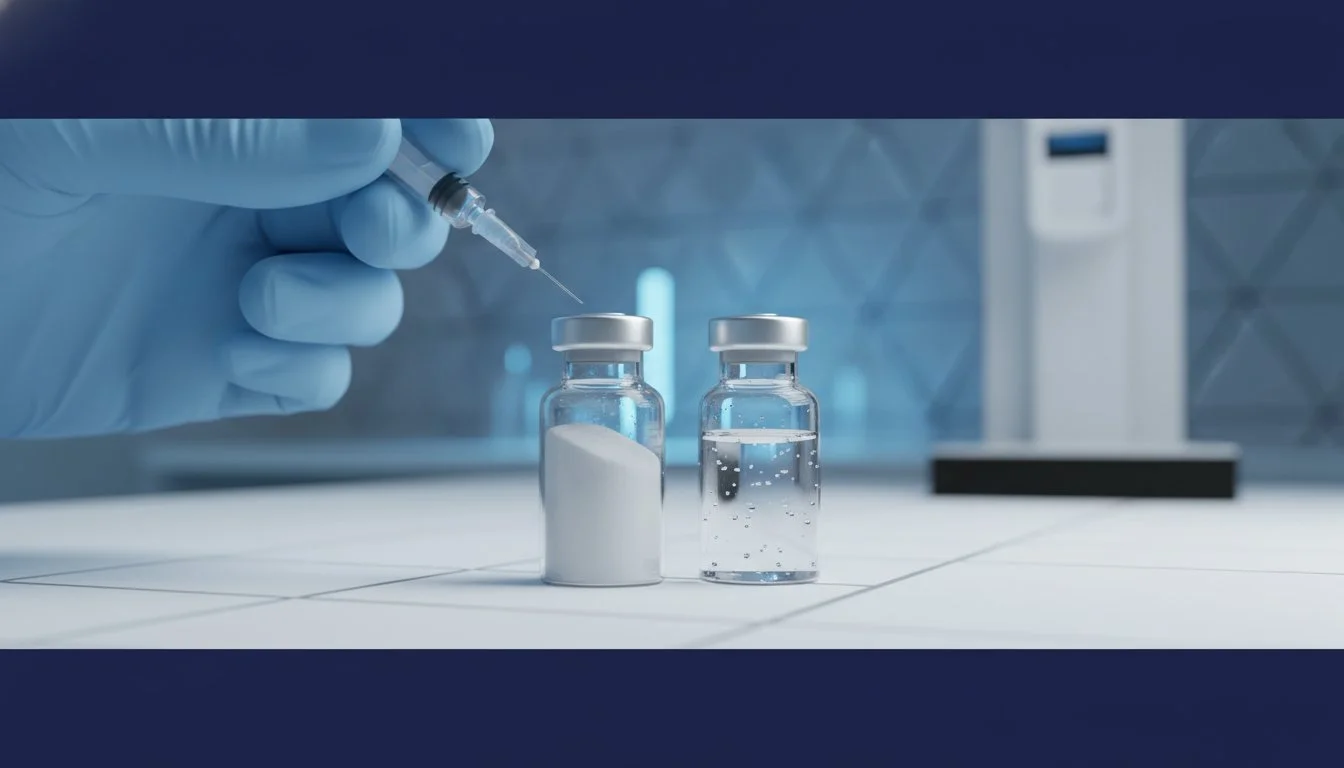
A single pipetting error or the wrong choice of solvent can render a high-purity research peptide biologically inert within hours. In the precision-driven environment of a modern laboratory, bacteriostatic water for research peptides is not merely a diluent; it’s a stability-preserving catalyst that prevents microbial degradation without compromising molecular architecture. You understand that protecting expensive compounds from contamination is a non-negotiable standard for generating reproducible data. It’s common for researchers to face uncertainty regarding the precise reconstitution math or the potential for benzyl alcohol to interfere with delicate peptide bonds.
This guide provides the technical framework to master peptide reconstitution using advanced bacteriostatic mechanics and precise solvent selection. By following these standardized protocols, you’ll maintain 99% purity and extend the stability window of your research compounds effectively. We will examine the 0.9% benzyl alcohol concentration standards, the critical 28-day shelf life for punctured multi-use vials, and the implications of the April 15, 2026, FDA regulatory reclassifications and upcoming July PCAC reviews on current laboratory procurement.
Key Takeaways
- Analyze the chemical mechanics of 0.9% benzyl alcohol and its role in establishing a bacteriostatic threshold that preserves the molecular architecture of complex research compounds.
- Evaluate the comparative risks of using sterile water or normal saline, specifically regarding rapid microbial proliferation and unfavorable ionization effects during reconstitution.
- Implement standardized aseptic protocols for bacteriostatic water for research peptides to ensure high-purity results and consistent experimental reproducibility.
- Utilize precision measurement tools and peptide calculators to achieve exact solvent-to-peptide ratios, effectively extending the stability window of your laboratory samples.
- Navigate the current regulatory landscape and quality standards for USP-grade solvents to ensure compliance with the latest 2026 laboratory procurement requirements.
The Critical Role of Bacteriostatic Water in Peptide Research
Bacteriostatic water for research peptides is a highly specialized solvent consisting of sterile water for injection integrated with 0.9% (9 mg/mL) benzyl alcohol. This specific concentration of benzyl alcohol serves as a bacteriostatic agent, which functions by inhibiting the metabolic processes and reproductive capabilities of bacteria rather than simply destroying existing cells. While “cidal” agents focus on immediate elimination, the “static” nature of this solvent ensures that the environment remains hostile to new microbial growth over an extended duration. This distinction is vital for longitudinal studies where the integrity of a compound must be preserved across multiple sampling events. It’s the primary reason why pure sterile water, which lacks any preservative, is insufficient for protocols involving multi-dose vials.
Peptides are typically distributed in a lyophilized, or freeze-dried, state to ensure long-term molecular stability during transit and storage. This solid “cake” requires a transition into an aqueous solution before any laboratory analysis can commence. The shift from a stable solid to a liquid environment increases the peptide’s vulnerability to enzymatic degradation and microbial contamination. Without the presence of a preservative like benzyl alcohol, a reconstituted peptide solution becomes a fertile ground for rapid bacterial proliferation. This contamination doesn’t just ruin the sample; it can lead to the total degradation of the peptide sequence, rendering the research data invalid.
Understanding the Reconstitution Process
The reconstitution phase involves a complex interaction where the solvent molecules infiltrate the lattice structure of the lyophilized peptide. This process requires a gentle introduction of the liquid to avoid mechanical stress on the delicate molecular chains. Utilizing research peptides with verified 99% purity is essential. Lower quality compounds often contain residual trifluoroacetic acid (TFA) salts or other manufacturing impurities that can react unfavorably during dissolution. Thermodynamic shifts occur as the peptide enters the solution; therefore, maintaining a controlled environment ensures the resulting homogenous liquid remains stable for the duration of the study.
The Multi-Use Requirement in Laboratory Settings
Modern research protocols rarely utilize an entire 5mg or 10mg vial in a single session. Instead, laboratories often require multiple samplings from a single multi-dose vial over several days or even weeks. Each needle puncture, regardless of the researcher’s aseptic technique, introduces a statistical risk of microbial ingress. Bacteriostatic water serves as a secondary layer of defense, neutralizing potential contaminants that might bypass surface sanitization of the vial stopper. It’s the industry standard for maintaining a sterile environment within the vial for up to 28 days post-puncture, providing the technical reliability required for high-stakes academic research.
Chemical Mechanics: How 0.9% Benzyl Alcohol Preserves Peptides
Benzyl alcohol (C7H8O) serves as the core functional component within Bacteriostatic Water for Injection, USP, acting as a preservative that maintains a sterile environment for multi-use vials. At a standardized concentration of 0.9% (9 mg/mL), this aromatic alcohol disrupts the lipid bilayer of bacterial cell membranes. This mechanism effectively halts the metabolic activity of potential contaminants without interacting with the primary structure of the peptide analyte. Utilizing bacteriostatic water for research peptides ensures the solution maintains a stable pH, typically ranging between 4.5 and 7.0. This buffering capacity is essential to prevent hydrolysis, a common chemical reaction that can prematurely break down peptide bonds in less stable solvents.
A persistent misconception in laboratory circles suggests that benzyl alcohol may induce chemical shearing or denaturation of delicate sequences like BPC-157. Empirical data confirms that at the 0.9% threshold, the solvent remains chemically inert toward the peptide’s amide backbone. Denaturation is almost exclusively the result of mechanical stress, such as aggressive vial shaking, or extreme thermal fluctuations rather than the presence of the preservative itself. By providing a chemically neutral environment, bacteriostatic water preserves the molecular folding and biological activity required for accurate experimental results.
Antimicrobial Efficacy and Stability
The antimicrobial environment created by 0.9% benzyl alcohol specifically targets and inhibits the replication of common laboratory contaminants, including Staphylococcus aureus and Pseudomonas aeruginosa. These microbial strains can proliferate rapidly in pure sterile water, leading to sample degradation and skewed data points. While the preservative is highly effective, its potency is finite once the vial’s atmospheric seal is broken. The standard protocol dictates that any multi-dose vial of bacteriostatic water must be discarded within 28 days of the initial needle puncture to ensure that the bacteriostatic threshold has not been compromised by environmental exposure.
Compatibility with Complex Peptide Blends
Solvent behavior dictates the success of multi-compound reconstitutions, particularly when managing synergistic blends like CJC-1295 and Ipamorelin. Bacteriostatic water ensures that both components remain in a stable aqueous phase, preventing the precipitation of the less soluble fraction of the blend. Benzyl alcohol’s amphiphilic properties help bridge the solubility gap between hydrophobic and hydrophilic sequences, ensuring a homogenous solution for precise volumetric sampling. Researchers requiring high-purity solvents for their protocols should consider sourcing Bacteriostatic Water 30ml to maintain these rigorous chemical standards throughout their longitudinal studies.

Comparative Analysis: Bacteriostatic Water vs. Alternatives
Selecting the appropriate solvent is a critical decision in any laboratory protocol. While multiple options exist for reconstitution, the “stability window” framework highlights the stark differences between available diluents. Sterile Water for Injection (SWFI) provides a narrow window of approximately 24 hours post-puncture due to the absence of antimicrobial agents. In contrast, Bacteriostatic Water for Injection, USP extends this window to 28 days. This longevity is essential when working with bacteriostatic water for research peptides, as it prevents the rapid microbial proliferation that occurs in preservative-free environments once the atmospheric seal is breached.
Normal Saline (0.9% NaCl) is often considered an alternative, yet it introduces significant risks regarding peptide ionization and solubility. The presence of sodium chloride increases the ionic strength of the solution, which can lead to salt-induced precipitation of the peptide analyte. This is particularly problematic for high-purity lyophilized cakes, where maintaining specific molecular folding is required for experimental accuracy. Deionized or distilled water, while ostensibly “pure,” is entirely unsuitable for parenteral research. These laboratory-grade waters may contain trace minerals or pyrogens that compromise the chemical integrity of sensitive sequences; they lack the rigorous manufacturing standards required for USP-grade solvents.
When to Use Sterile Water (SWFI)
SWFI is primarily indicated for single-use protocols where the entire reconstituted volume is utilized within a 12-hour period. In these specific scenarios, preservatives are unnecessary and occasionally contraindicated if the benzyl alcohol interferes with a specific analytical assay. However, for longitudinal studies, the cost-benefit analysis heavily favors bacteriostatic water. Preserving an expensive 5mg or 10mg vial over several weeks justifies the selection of a stabilized solvent over a single-use alternative that requires immediate disposal after the first sampling.
The Saline Conflict in Peptide Research
The primary conflict with saline involves its impact on the thermodynamic stability of peptide chains. High concentrations of electrolytes can cause “salting out,” where the peptide loses solubility and precipitates out of the aqueous phase. While certain analytical instruments, such as specific HPLC setups, may require saline for mobile phase consistency, it generally remains a secondary choice for initial reconstitution. Maintaining the delicate balance of hydrophobic and hydrophilic interactions is better achieved using bacteriostatic water for research peptides, which provides the necessary antimicrobial protection without the ionic interference of sodium chloride.
Standard Reconstitution Protocol for Research Peptides
Maintaining a sterile environment is the foundational requirement for successful peptide reconstitution. Before initiating the process, the laboratory workspace must be thoroughly sanitized with 70% isopropyl alcohol to eliminate surface contaminants. Both the bacteriostatic water vial and the lyophilized peptide vial stoppers require vigorous swabbing with fresh alcohol pads. This physical barrier, combined with the preservative properties of bacteriostatic water for research peptides, ensures the solution remains viable for the duration of the study. Precision is equally critical; researchers should utilize a peptide calculator to determine the exact volume of solvent required to achieve the desired concentration for precise volumetric sampling.
Once the solvent is introduced, the primary objective is achieving a gentle dissolution. Shaking a vial introduces excessive kinetic energy that can lead to protein denaturation or the formation of persistent air bubbles that interfere with measurement accuracy. Instead, use a slow, circular swirling motion between the palms. If the peptide does not dissolve immediately, allow the vial to sit in a refrigerated environment for several minutes before swirling again. This patience ensures a homogenous solution without compromising the delicate molecular integrity of the compound.
Pressure Equalization and Vacuum Control
Peptide vials are typically sealed under a vacuum to preserve the lyophilized cake. If the solvent is introduced without managing this internal pressure, a “jet-stream” effect occurs, where the liquid is forcefully pulled onto the peptide. This high-velocity impact can cause mechanical shearing of the amino acid chains. To prevent this, first draw a volume of air into the syringe equal to the intended solvent volume and inject it into the bacteriostatic water vial. This equalizes the pressure, allowing for controlled withdrawal. When introducing the solvent into the peptide vial, tilt the vial and aim the needle at the glass wall. Allow the liquid to slowly trickle down the side rather than hitting the lyophilized cake directly.
Storage and Post-Reconstitution Handling
Proper storage is essential for maintaining the 99% purity achieved during reconstitution. Vials must be stored in a controlled environment between 2°C and 8°C (36°F to 46°F) to slow down the natural degradation process. Certain compounds, such as Melanotan 2, exhibit significant light sensitivity and require storage in amber vials or complete darkness to prevent photo-degradation. Every vial should be clearly labeled with the date of reconstitution. Adhering to the 28-day rule for multi-dose vials is a non-negotiable standard for laboratory safety and data consistency. To ensure your laboratory is equipped with high-standard solvents, you can source Bacteriostatic Water 30ml directly from our inventory.
Sourcing and Quality Standards for Laboratory Solvents
The procurement of bacteriostatic water for research peptides requires a sophisticated understanding of the current regulatory environment. Following the April 15, 2026, FDA reclassification of bulk drug substances, the scrutiny regarding laboratory solvents has intensified significantly. With the Pharmacy Compounding Advisory Committee (PCAC) meeting scheduled for July 23-24, 2026, researchers must ensure their supply chains are compliant with these evolving standards. USP-grade certification remains the gold standard for professional research, providing a verified baseline for purity that prevents experimental interference. RUO (Research Use Only) labeling serves as a critical legal marker, defining the operational boundaries for academic and independent laboratories and ensuring that materials are used strictly for non-clinical applications.
Nexa Peptide Store maintains an uncompromising commitment to 99%+ purity for all laboratory reagents and support chemicals. This standard is particularly vital when managing complex triple-agonist sequences like Retatrutide, where even minor solvent impurities can disrupt the delicate balance of receptor interactions. Our global shipping logistics are engineered to preserve this integrity during international transit. Specialized environmental controls and tamper-evident packaging protect the molecular stability of each vial, ensuring the chemical signature remains unchanged from the point of manufacture to the laboratory bench. It’s this attention to detail that separates institutional-grade suppliers from gray-market vendors.
Quality Control and Verification
Third-party testing is a non-negotiable requirement for reputable suppliers in the 2026 research landscape. Verification must confirm that the benzyl alcohol concentration sits precisely at the 0.9% threshold, as deviations can either compromise antimicrobial efficacy or introduce unnecessary toxicity to the sample. DIY bacteriostatic water poses a significant risk to laboratory protocols. Attempting to mix non-sterile water with over-the-counter preservatives lacks the required vacuum filtration and pyrogen-free processing, often leading to contamination that can destroy months of research data and yield false positives in cellular assays.
Procurement for Academic and Independent Research
Streamlining the supply chain for universities and independent research organizations requires a partner that understands the scale of modern metabolic studies. High-volume cellular research often necessitates bulk procurement of both lyophilized compounds and specialized diluents to maintain consistency across large cohorts. By centralizing these requirements, institutions can standardize their laboratory protocols and reduce variables across different experimental groups. This level of logistical efficiency is essential for meeting the rigorous demands of peer-reviewed publication and institutional oversight. Secure high-purity bacteriostatic water and research peptides from Nexa Peptide Store today.
Advancing Laboratory Standards through Precision Reconstitution
Mastering the application of bacteriostatic water for research peptides is a fundamental requirement for any institution prioritizing molecular integrity and long-term stability. By implementing the standardized pressure equalization techniques and light-sensitive storage protocols discussed, researchers can effectively prevent peptide shearing and microbial degradation. These disciplined measures ensure that every sampling event from a multi-dose vial yields consistent, high-fidelity results. It’s vital to rely on verified solvents that meet the uncompromising standards of modern biotechnology to ensure that your data remains reproducible and accurate.
Nexa Peptide Store remains a dedicated partner to the scientific community, providing the technical infrastructure necessary for rigorous experimentation. We have a history of serving 1000+ research institutions by delivering 99%+ Purity Guaranteed and Third-Party Lab Tested compounds. Our Global Secure Shipping ensures that your laboratory reagents arrive with their chemical signatures intact. Order Research-Grade Bacteriostatic Water and High-Purity Peptides to standardize your laboratory protocols and achieve uncompromising experimental precision. We look forward to supporting your next breakthrough with reagents you can trust.
Frequently Asked Questions
Does bacteriostatic water expire after it is opened?
Yes, bacteriostatic water must be discarded 28 days after the initial vial puncture. This timeframe is the established USP standard for maintaining the antimicrobial efficacy of the 0.9% benzyl alcohol concentration. Using the solvent beyond this window increases the risk of microbial contamination in your research samples and can compromise the integrity of your data.
Can I use bacteriostatic water for all research peptides?
Bacteriostatic water is compatible with the vast majority of research compounds, including popular sequences like BPC-157 and TB-500. However, certain highly specialized peptides or specific analytical assays may be sensitive to the presence of benzyl alcohol. Always verify the chemical requirements and solubility profile of your specific analyte before selecting a solvent for reconstitution.
What happens if I accidentally shake the peptide vial during reconstitution?
Shaking the vial can cause mechanical shearing or denaturation of the delicate peptide chains. This physical stress disrupts the molecular architecture; it potentially renders the compound biologically inactive for your research. If accidental agitation occurs, allow the solution to settle in a refrigerated environment and inspect the vial for persistent foam or visible precipitate before proceeding with your protocol.
Is there a difference between bacteriostatic water and bacteriostatic saline?
There is a significant chemical difference; bacteriostatic water is sterile water with 0.9% benzyl alcohol, while bacteriostatic saline also contains 0.9% sodium chloride. The presence of salt in saline alters the ionic strength of the solution. This can lead to the precipitation of certain peptide sequences, whereas bacteriostatic water provides a more neutral environment for most lyophilized cakes.
How do I calculate how much bacteriostatic water to add to a 5mg peptide vial?
To determine the volume of bacteriostatic water for research peptides, you must first define your target concentration in milligrams per milliliter. For a 5mg vial, adding 1mL of solvent results in a 5mg/mL concentration. Utilizing a precision peptide calculator is the most reliable method to ensure accurate volumetric sampling and to avoid math errors during laboratory preparation.
Can bacteriostatic water be used for in vivo research?
Bacteriostatic water is frequently utilized in animal research models, but the presence of benzyl alcohol must be accounted for in the experimental design. Benzyl alcohol can exhibit toxicity at high cumulative volumes and is specifically contraindicated for use in neonatal models or certain neurological studies. Researchers should consult specific species guidelines to ensure they remain below safe threshold levels.
Why is my reconstituted peptide solution cloudy after adding bacteriostatic water?
Cloudiness often indicates that the peptide has not fully entered the aqueous phase, which can be caused by using solvent that is too cold or a pH imbalance. This “crashing out” may also occur if the peptide contains manufacturing impurities. Ensure the bacteriostatic water for research peptides is at room temperature and allow the vial to sit for several minutes to achieve full dissolution.
Is benzyl alcohol safe for all types of laboratory assays?
Benzyl alcohol is not suitable for all laboratory environments because it can interfere with specific spectrophotometric readings or cell culture assays. It possesses a distinct UV absorption profile that may overlap with the peptide analyte during analysis. Always confirm that the preservative won’t inhibit the metabolic activity of your specific cell lines or interfere with your detection equipment before proceeding.
