
- Your cart is empty
- Continue shopping
-
Dr Hoffman
- Posted on
- Categories:Uncategorized
- 0 comments
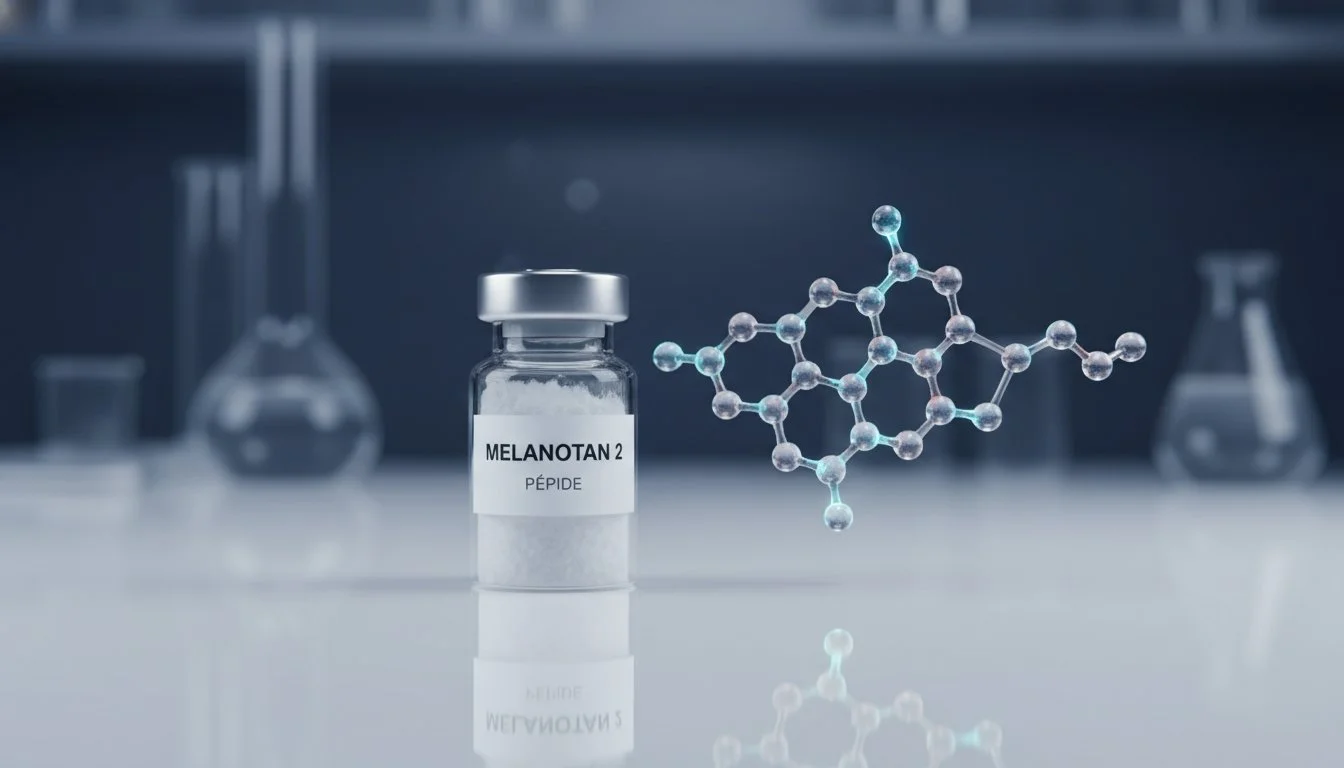
The utility of the melanotan 2 peptide extends far beyond simple pigment modulation, acting as a complex non-selective agonist with significant implications for metabolic and neurological research. While the scientific community recognizes its potential, the lack of standardized data and high-purity materials often creates obstacles for rigorous laboratory study. You likely find it difficult to secure 99% pure research-grade materials or maintain consistent stability during long-term trials because of the volatility in the global supply chain. It’s a common frustration for researchers who require absolute precision to ensure reproducible results.
This comprehensive reference guide serves as your definitive resource for the chemical properties, molecular mechanisms, and laboratory protocols required for Melanotan II. We provide a meticulous analysis of its non-selective binding affinity and the latest 2026 regulatory updates, including the FDA’s intention to remove the peptide from the restrictive Category 2 list. You’ll gain a clear understanding of reconstitution standards and sourcing requirements to ensure your research remains both compliant and precise. We will examine the technical specifics of manufacturing and purity standards alongside the practicalities of logistics and legal boundaries.
Key Takeaways
- Analyze the chemical specifications of Melanotan II, including its molecular weight of 1024.2 and its role as a high-affinity ligand for melanocortin receptors.
- Gain insight into the specialized research applications of the melanotan 2 peptide within metabolic and dermatological laboratory settings.
- Master the technical requirements for peptide handling, from precise reconstitution with Bacteriostatic Water to environmental controls for long-term stability.
- Evaluate the necessity of 99%+ purity verified by HPLC and Mass Spectrometry to eliminate variables in your research outcomes.
- Distinguish between clinical history and current research-only applications to maintain institutional compliance and operational safety.
What is Melanotan 2 Peptide? Chemical Structure and Properties
Melanotan II (MT-II) represents a significant advancement in peptide engineering, specifically designed as a synthetic analog of the naturally occurring alpha-melanocyte-stimulating hormone (alpha-MSH). This compound, identified by CAS 121062-08-6, possesses a molecular weight of 1024.2 g/mol. Unlike its endogenous counterpart, the Melanotan II molecule is structured as a cyclic heptapeptide. This circular configuration isn’t merely a structural detail. It’s a deliberate modification that enhances the peptide’s resistance to enzymatic proteolysis. By constraining the molecule into a loop, researchers have created a more stable and potent agonist for melanocortin receptors. The resulting physical form is a lyophilized white powder, which is optimized for an extended shelf life and logistical efficiency during global distribution.
Molecular Composition and IUPAC Nomenclature
The specific amino acid sequence of the melanotan 2 peptide is Ac-Nle-cyclo[Asp-His-D-Phe-Arg-Trp-Lys]-NH2. A critical component of this sequence is the substitution of L-Phenylalanine with D-Phenylalanine at the seventh position. This chiral inversion significantly increases the peptide’s binding affinity and biological half-life. Natural melanocortin hormones are linear and subject to rapid degradation within the biological matrix, often losing their efficacy within minutes. However, the cyclic nature of MT-II ensures a more sustained interaction with target receptors. This structural rigidity allows for more predictable data collection during in vitro and in vivo laboratory investigations. It effectively mimics the natural ligand while offering superior durability against metabolic breakdown.
The Role of Lyophilization in Research Integrity
Precision in laboratory research depends heavily on the physical stability of the reagents used. MT-II is typically supplied as a lyophilized white powder, a state achieved through a sophisticated freeze-drying process. This method is essential for maintaining the structural integrity of peptide bonds by removing water through sublimation. Moisture is the primary catalyst for peptide degradation. Even trace amounts can lead to hydrolysis or oxidation over time, rendering the sample useless for high-precision studies. Understanding The Importance of Lyophilization is vital for researchers who must ensure their vials remain viable for the duration of a study. High-quality lyophilization results in a porous cake that reconstitutes rapidly and preserves the molecular configuration of the peptide across various temperature gradients. This standardized physical form ensures every 10mg vial provides consistent concentrations for experimental protocols, preventing the variability that plagues lower-purity, non-lyophilized alternatives.
Mechanism of Action: Melanocortin Receptor Binding Affinity
The melanotan 2 peptide functions as a potent non-selective agonist across the melanocortin receptor family. Upon binding to these G-protein coupled receptors (GPCRs), the peptide initiates a complex signal transduction cascade that activates adenylyl cyclase. This enzyme catalyzes the conversion of adenosine triphosphate (ATP) into cyclic adenosine monophosphate (cAMP), which acts as a vital secondary messenger. The resulting elevation in cAMP levels triggers protein kinase A (PKA) and various downstream transcription factors. While many casual reviews focus solely on visual results, researchers must account for the specific hierarchy of binding affinity. MT-II demonstrates high potency at MC1R, MC3R, MC4R, and MC5R. It lacks significant activity at MC2R, the receptor primarily associated with adrenal steroidogenesis, which allows for more targeted research into pigmentation and metabolic pathways.
MC1R Activation and Pigmentation Pathways
Activation of the MC1R receptor is the primary driver of melanogenesis within epidermal melanocytes. When the melanotan 2 peptide binds to MC1R, it shifts the eumelanin-to-pheomelanin ratio in favor of eumelanin, the darker and more photoprotective pigment. This process facilitates UV-independent pigmentation research, providing a controlled environment to study dermatological responses. Due to the high potency of these interactions, regulatory bodies have issued an HPRA warning on Melanotan 2 regarding unregulated procurement and use. In a laboratory setting, this receptor pathway is essential for investigating long-term skin cancer prevention and cellular defense mechanisms against oxidative stress.
Central Nervous System Effects: MC3R and MC4R
The non-selective nature of MT-II extends its research utility deep into the central nervous system. Binding to MC4R in the hypothalamus represents a critical area of study for energy homeostasis and sexual arousal. Unlike endogenous ligands that degrade quickly, MT-II provides a stable tool for investigating the thermogenic pathways controlled by both MC3R and MC4R. These receptors play a significant role in appetite regulation and energy expenditure, making the peptide a subject of intense interest in lipid metabolism studies. Researchers require high-purity compounds to isolate these neurological effects from the variables introduced by potential contaminants. For those conducting these precise trials, sourcing verified Melanotan II 10mg ensures that observed metabolic shifts are attributable solely to receptor agonism rather than manufacturing impurities.

Primary Research Domains and Scientific Applications
The melanotan 2 peptide serves as a versatile tool in modern laboratory research, facilitating investigations that span multiple physiological systems. Beyond its well-documented role in pigmentation, scientists utilize this compound to explore metabolic regulation, neuroprotection, and cardiovascular health. In metabolic research, the peptide is studied for its capacity to influence lipid metabolism and enhance insulin sensitivity, offering a unique model for understanding energy balance. Dermatological applications focus on evaluating its long-term photoprotective potential, specifically investigating its ability to reduce cellular damage from ultraviolet radiation through increased eumelanin production. Neurological exploration has uncovered potential neuroprotective effects within the melanocortin system, while cardiovascular studies in animal models suggest potential anti-inflammatory and anti-atherosclerotic actions. Regulatory awareness is paramount in these domains; the TGA warning on Melanotan risks highlights the critical safety concerns that mandate strict laboratory-only handling and procurement of high-purity materials.
Metabolic and Thermogenic Research
In the field of endocrinology, researchers evaluate the peptide’s role in decreasing fluorodeoxyglucose uptake, which provides a window into its impact on glucose utilization and cellular energy demands. Studies on body temperature regulation and oxygen consumption reveal how MC3R and MC4R activation drives thermogenic responses, effectively increasing the metabolic rate in test subjects. This data is critical for mapping the pathways involved in adiposity and energy expenditure. For researchers interested in comparative metabolic agonist data, reviewing the latest Retatrutide Research offers a parallel perspective on how different peptide structures influence triple-agonist mechanisms and metabolic outcomes. Laboratories investigating hypothalamic signaling pathways may also find value in examining CJC-1295 and Ipamorelin research on peptide synergy and pituitary agonist protocols, as the secretagogue combinations studied therein provide a complementary framework for understanding how distinct receptor systems regulate energy homeostasis.
Behavioral and Arousal Studies
Behavioral research often focuses on the peptide’s transformation into its PT-141 metabolite, which exerts powerful central action rather than peripheral vascular effects. Rodent models have been instrumental in mapping the neural pathways of sexual arousal, allowing scientists to distinguish between peripheral stimulation and central melanocortin activation. This distinction is vital for understanding how the melanotan 2 peptide bypasses traditional hormonal pathways to influence behavior directly through the hypothalamus. By isolating these central nervous system effects, laboratories can better define the cross-receptor activity that governs complex behavioral responses. These studies require 99% pure materials to ensure that observed behavioral shifts aren’t skewed by manufacturing byproducts or contaminants.
Laboratory Protocols: Storage, Reconstitution, and Handling
Success in peptide research is predicated on the strict adherence to standardized handling protocols. The melanotan 2 peptide is highly sensitive to environmental fluctuations and mechanical stress, meaning improper management can compromise the validity of an entire study. For short-term storage during active trials, lyophilized vials may be kept at 4°C for approximately four weeks. However, long-term preservation necessitates medical-grade freezers maintained at -20°C or -80°C to prevent molecular degradation. Once the peptide is reconstituted, the window of stability narrows significantly, requiring constant refrigeration and protection from thermal cycling to ensure the integrity of the amino acid chain.
Handling procedures must prioritize the prevention of peptide shearing. When adding a solvent to the lyophilized powder, the liquid should be aimed at the side of the glass vial rather than directly onto the peptide cake. Researchers shouldn’t shake the vial; instead, a gentle swirling motion is required to facilitate dissolution. Mechanical agitation can break the delicate peptide bonds, leading to denatured proteins that fail to bind effectively to melanocortin receptors. To further protect the integrity of the sample, scientists should aliquot the reconstituted solution into single-use volumes. This practice eliminates the need for repeated freeze-thaw cycles, which are known to cause cumulative structural damage to the molecular sequence.
Reconstitution and Solubility Guidelines
The selection of an appropriate solvent is a critical variable in laboratory assays. While sterile water is an option, Bacteriostatic Water is the industry standard for research settings because the inclusion of 0.9% benzyl alcohol inhibits the growth of potential contaminants. Precision in concentration is equally vital for reproducible data. Researchers should utilize a Peptide Calculator Guide to ensure that the ratio of solvent to solute aligns with the specific requirements of the experimental model. For those establishing new protocols, sourcing Melanotan II 10mg and Bacteriostatic Water 30ml together ensures that all components meet the same rigorous quality benchmarks.
Stability and Environmental Controls
Environmental factors such as light exposure and sterility are essential for research integrity. The melanotan 2 peptide is notably light-sensitive, meaning prolonged exposure to UV or intense laboratory lighting can catalyze degradation. Storing vials in amber containers or opaque boxes is a necessary precaution. Maintaining a sterile environment during the reconstitution process is non-negotiable; all vial stoppers must be cleansed with 70% isopropyl alcohol before needle entry. Reconstituted MT-II typically maintains its potency for 7 to 14 days when stored at 4°C, though results are most reliable when the solution is used within the first week of preparation.
Ensuring Research Quality: Purity and Procurement
Achieving reproducible scientific data requires an uncompromising commitment to material integrity. When investigating the melanotan 2 peptide, even minor variations in purity can introduce confounding variables that skew results in metabolic or dermatological assays. Most reliable laboratories mandate a minimum purity threshold of 99%+. This high standard ensures that observed biological responses are the result of the peptide itself rather than residual reagents or truncated sequences. All materials are strictly designated for Research Use Only (RUO). This mandate isn’t merely a legal formality; it’s a fundamental boundary that separates professional laboratory inquiry from unregulated commerce. Researchers must verify that their supply chain adheres to these rigorous standards to maintain institutional compliance and data validity.
Contaminant identification is a critical step in the procurement process. Trifluoroacetic acid (TFA) is frequently used as a counter-ion during peptide synthesis, but excessive levels can be cytotoxic in certain cell culture models. High-quality manufacturing processes include secondary purification steps to reduce TFA to acceptable levels, typically below 1%. By choosing materials with documented low TFA content, scientists can eliminate a common source of experimental interference. This level of precision is what differentiates institutional-grade reagents from lower-tier alternatives found in the broader market.
Interpreting HPLC and MS Reports
A Certificate of Analysis (COA) is the primary document of trust in the research industry. A High-Performance Liquid Chromatography (HPLC) chromatogram should display a single, sharp peak representing the target peptide. Baseline noise or secondary peaks indicate the presence of contaminants or degradation products that could compromise your study. Mass Spectrometry (MS) serves as the definitive identification tool by measuring the mass-to-charge ratio of the molecule. For MT-II, the report must confirm a molecular weight of 1024.2. Discrepancies in these values suggest a failed synthesis or the presence of salts that might exceed acceptable laboratory tolerances. Batch-specific verification is the only way to guarantee that the vial in your hand matches the theoretical molecular profile.
Procuring Verified Research Peptides
Vetting a supplier requires a thorough evaluation of their quality control history and logistical transparency. Institutional reliability is built on years of consistent performance rather than marketing claims. When Navigating Research Peptides for Sale, scientists should prioritize vendors who provide batch-specific verification data and maintain strict environmental controls. This level of transparency is essential for high-stakes neurological or cardiovascular studies where purity is paramount. For those specifically Buying Melanotan II for Research, selecting a partner that understands the intersection of manufacturing precision and e-commerce efficiency is a strategic advantage. It ensures that every 10mg vial of Melanotan II arrives with the structural integrity required for precise receptor binding assays.
Advancing Precision in Melanocortin Research
The evolution of melanocortin research depends on the intersection of molecular precision and rigorous laboratory standards. By understanding the specific binding affinities of the melanotan 2 peptide across multiple receptor subtypes, researchers can better map complex metabolic and dermatological pathways. This guide has detailed the chemical properties and handling protocols necessary to preserve the stability of these cyclic heptapeptides during long-term trials. Success in these domains is only possible when variables like mechanical degradation and thermal instability are strictly controlled through standardized reconstitution and storage practices.
Maintaining 99%+ purity remains the critical baseline for any reproducible study. Vetting suppliers through HPLC and MS verification ensures that contaminants don’t compromise your data or introduce cytotoxic variables. For institutions requiring consistent quality and logistical reliability, we provide a dependable supply chain optimized for scientific demand. Browse High-Purity Melanotan II Vials for Research to access materials that are 99%+ Purity Guaranteed and Third-Party Lab Tested. We provide Secure Global Shipping for Research Institutions to ensure your reagents arrive with their structural integrity fully intact. We look forward to supporting your next breakthrough in peptide science.
Frequently Asked Questions
What is the primary difference between Melanotan 1 and Melanotan 2?
Melanotan 1 is a linear peptide that is highly selective for the MC1R receptor, whereas the melanotan 2 peptide features a cyclic structure that allows for non-selective binding across several melanocortin receptors. This structural difference results in MT-II possessing a significantly higher potency and a broader range of physiological effects, including influences on lipid metabolism and sexual arousal. Researchers choose MT-II when they require a more stable and multifunctional agonist for complex receptor interaction studies.
How should Melanotan 2 peptide be stored for long-term research?
Lyophilized vials must be stored in a medical-grade freezer at -20°C or -80°C to maintain molecular integrity for extended periods. While the powder remains stable at 4°C for up to four weeks, sub-zero temperatures are required to prevent the gradual degradation of the amino acid sequence over months or years. Once the peptide is reconstituted, it should be kept at 4°C and used within 14 days to ensure the highest possible potency for laboratory assays.
What is the recommended solvent for reconstituting MT-II vials?
Bacteriostatic Water is the preferred solvent for reconstituting MT-II because its 0.9% benzyl alcohol content inhibits the growth of bacteria within the vial. This preservation is essential for multi-use vials that may be accessed over several days during a trial. While sterile water is an alternative, it lacks antimicrobial properties, meaning any solution prepared with it must be used immediately or discarded to avoid the risk of experimental contamination and compromised data.
Is Melanotan 2 stable at room temperature during shipping?
Lyophilized MT-II is generally stable at room temperature for short durations, typically lasting several days during the transit process. While the powder is resilient, most high-standard suppliers utilize cold-chain logistics or insulated packaging to mitigate the risks of extreme thermal exposure. It’s standard protocol to transfer the vials to a controlled cold storage environment immediately upon arrival to halt any potential kinetic degradation that could occur if the peptide remains at ambient temperatures.
Why is third-party testing critical for MT-II research?
Third-party testing via HPLC and Mass Spectrometry is the only definitive method to verify that a batch meets the 99%+ purity threshold required for scientific reproducibility. These tests identify residual solvents, TFA levels, and potential manufacturing byproducts that could interfere with receptor binding or cause unintended cytotoxic effects. Institutional researchers rely on these independent verifications to ensure that their experimental results are attributable solely to the melanotan 2 peptide rather than hidden impurities.
What are the reported side effects of MT-II in existing literature?
Scientific literature identifies several physiological responses to MT-II, most notably nausea, facial flushing, and the darkening of existing cutaneous lesions or moles. Other documented side effects in animal models include significant appetite suppression and spontaneous sexual arousal due to central nervous system activation. Researchers must document these effects carefully during trials, as they represent the systemic impact of non-selective melanocortin receptor agonism across the MC1R, MC3R, and MC4R pathways.
Can Melanotan 2 be used for human or veterinary applications?
Melanotan 2 is strictly designated for in vitro laboratory research and in vivo animal studies and is not approved for human or veterinary applications. Regulatory bodies like the FDA and TGA maintain firm stances against the clinical use of these compounds due to safety concerns and lack of formal approval. All procurement of MT-II must adhere to the Research Use Only mandate, ensuring that the peptide is utilized exclusively within controlled scientific environments by qualified personnel.
How does MT-II influence MC4R receptor activity in the brain?
MT-II influences MC4R activity by crossing the blood-brain barrier and binding to receptors located within the paraventricular nucleus of the hypothalamus. This interaction triggers downstream signaling that regulates energy homeostasis, thermogenesis, and erectile function. Unlike endogenous alpha-MSH, the synthetic structure of MT-II allows for a more sustained activation of these central pathways. This makes it a valuable tool for studying the neurological drivers of metabolic rate and behavioral arousal.
