
- Your cart is empty
- Continue shopping
-
Dr Hoffman
- Posted on
- Categories:Uncategorized
- 0 comments
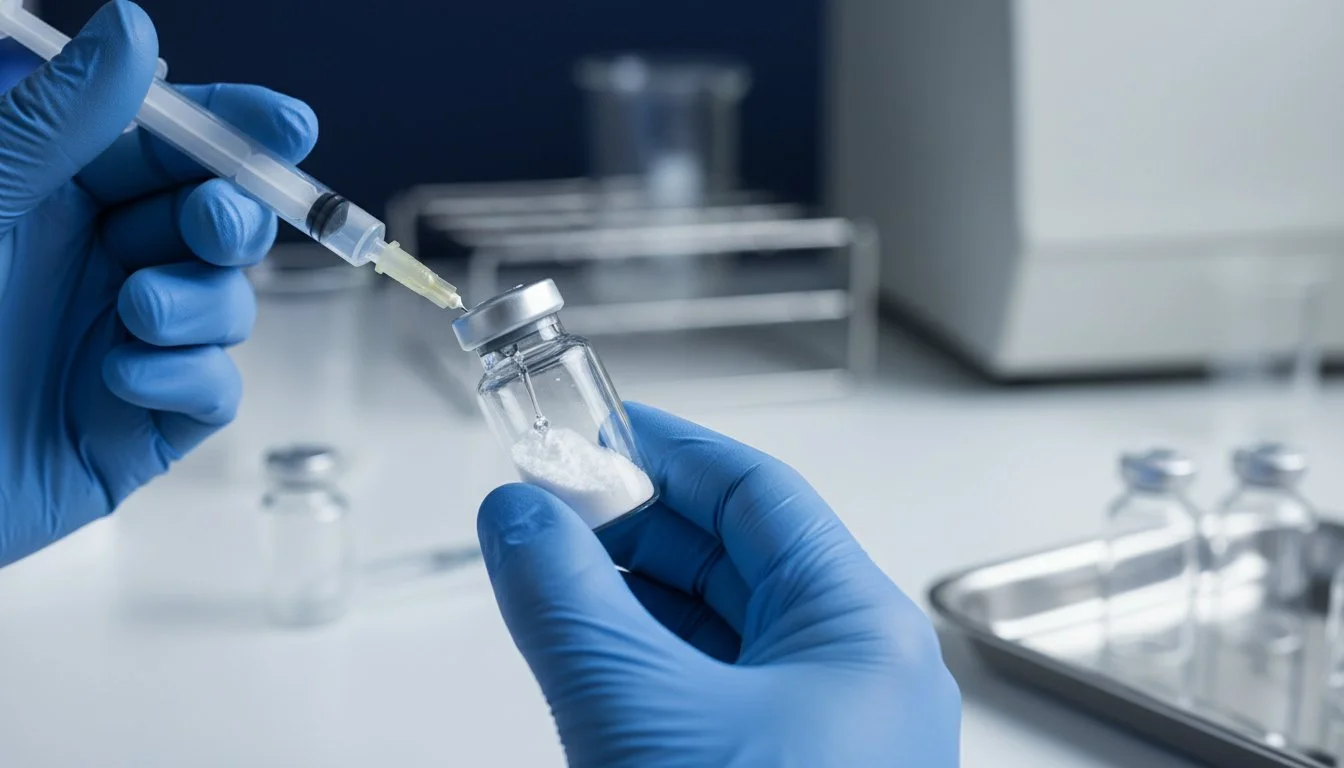
FDA testing of online peptide products recently identified that up to 40% contained incorrect dosages or undeclared ingredients. This data point highlights the volatility of the current research market and the absolute necessity of rigorous internal laboratory standards. You likely recognize that achieving a stable, high-purity solution requires more than just basic mixing; it demands a precise melanotan ii reconstitution protocol for research to prevent the mechanical degradation of the fragile peptide chain.
It’s common to feel concerned about the potential for wasting expensive materials due to dilution math errors or improper handling techniques. We’ve developed this professional guide to provide the clinical-grade clarity required for accurate concentration and long-term molecular integrity. You’ll gain a comprehensive understanding of diluent selection, the physics of gentle integration, and the specific environmental controls needed to maintain the shelf life of your reconstituted 10mg vials. This systematic approach ensures that your laboratory operations remain compliant with the highest standards of scientific precision.
Key Takeaways
- Understand how the lyophilized state preserves 99% peptide purity and why temperature equilibration is the foundational step in protecting molecular stability.
- Identify the critical materials required for professional preparation, including the use of 0.9% benzyl alcohol bacteriostatic water and high-precision 1mL syringes.
- Master the step-by-step melanotan ii reconstitution protocol for research to ensure aseptic handling and prevent the mechanical degradation of the cyclic analog.
- Learn to calculate precise mcg per unit concentrations for a 10mg vial using standardized dilution ratios for 1mL, 2mL, and 3mL volumes.
- Implement rigorous storage standards to maintain a 28-day shelf life by adhering to strict temperature controls between 2°C and 8°C.
Understanding the Lyophilized State of Melanotan II
Achieving reproducible results in a laboratory setting begins long before the first syringe is drawn. It starts with a comprehensive understanding of the physical state of the compound. Melanotan II is a synthetic cyclic heptapeptide analog of alpha-melanocyte-stimulating hormone (α-MSH). This specific cyclic structure is engineered to enhance binding affinity and potency compared to its linear predecessors. To maintain these delicate molecular properties, manufacturers utilize lyophilization, a specialized freeze-drying process that removes moisture while preserving the structural integrity of the peptide.
Lyophilization is critical for maintaining the 99% purity levels expected by professional research organizations. This process transforms the liquid peptide into a solid, white “cake” or crystalline powder. The vacuum-sealed environment within the glass vial is equally vital. It prevents oxidation and enzymatic degradation that would otherwise compromise the sample. Before initiating a melanotan ii reconstitution protocol for research, a visual inspection is mandatory. A healthy vial should contain a uniform, solid cake. If the powder appears collapsed, sticky, or discolored, it suggests moisture ingress or significant temperature excursions during transit. Such defects can invalidate research data and lead to inconsistent experimental outcomes.
Molecular Structure and Sensitivity
The cyclic nature of this peptide provides a robust binding affinity for melanocortin receptors, yet it remains sensitive to environmental stressors. Moisture is the primary catalyst for peptide hydrolysis. Even trace amounts of water can break peptide bonds, leading to truncated fragments that lack biological activity. Temperature fluctuations also pose a risk. While the lyophilized powder is more resilient than a reconstituted solution, it must be stored in a climate-controlled environment to prevent premature degradation. Researchers should look for high-clarity glass and intact seals as the first line of defense against atmospheric contaminants.
The Role of Purity in Research Outcomes
Valid data collection relies on the use of high-purity materials. Institutional standards typically demand a minimum of 99% purity to ensure that observed effects are attributable solely to the peptide itself. Impurities, such as residual trifluoroacetic acid (TFA) from the synthesis process, can alter the pH of the final solution. This shift in acidity may affect the solubility and stability of the peptide once the melanotan ii reconstitution protocol for research is underway. For a deeper analysis of how to verify these specifications, consult our research peptides guide. Maintaining these standards prevents the introduction of variables that could skew quantitative findings or lead to inconsistent laboratory observations.
Required Materials for Professional Reconstitution
Professional laboratory environments prioritize sterility and precision to eliminate variables that could compromise research data. Before initiating the melanotan ii reconstitution protocol for research, the workspace must be cleared of potential contaminants. It’s the gold standard to use a laminar flow hood for maintaining a draft-free, sterile environment; however, if unavailable, a clean, static air box or a thoroughly sanitized, draft-free room is a mandatory secondary requirement. All surfaces should be treated with a high-level disinfectant to ensure a baseline of microbial control.
The following inventory is required for a compliant procedure:
- Lyophilized 10mg peptide vial.
- Bacteriostatic water (0.9% benzyl alcohol).
- 1mL (100 unit) insulin syringes for high-resolution measurement.
- 70% Isopropyl alcohol swabs for aseptic preparation.
- A dedicated sharps container for immediate disposal of used hardware.
Bacteriostatic vs. Sterile Water
Choosing the correct diluent is a fundamental safety and stability requirement. Bacteriostatic water contains 0.9% benzyl alcohol, which serves as a bacteriostatic agent to inhibit the proliferation of microbes. This preservative allows for multi-use applications over a 28-day period when stored correctly. In contrast, sterile water for injection lacks this agent. Once a sterile water vial is breached, it must be used immediately or discarded within 24 hours to prevent contamination. Additionally, the presence of benzyl alcohol helps maintain the solution’s pH, which is critical for protecting the peptide’s structural integrity. Acquiring high-grade Bacteriostatic Water 30ml is a prerequisite for maintaining solution sterility in long-term research settings.
Precision Measurement Tools
The mechanical integrity of the vial’s rubber stopper is often overlooked during preparation. Using a 29 to 31 gauge needle minimizes the risk of “coring.” This phenomenon occurs when a larger needle shears off a small fragment of the rubber septum and deposits it into the solution, potentially introducing contaminants. Precision is non-negotiable. 1mL syringes are utilized to allow for the most accurate volumetric measurements, which is essential for calculating exact concentration ratios. It’s essential to use fresh, sterile needles for each step of the protocol to prevent cross-contamination. This level of hardware precision is consistent across various laboratory procedures, including those detailed in our TB-500 handling guide. Maintaining a disciplined approach to material selection ensures that the subsequent chemical integration remains valid and reproducible.

Step-by-Step Melanotan II Reconstitution Protocol
Executing a melanotan ii reconstitution protocol for research requires a disciplined adherence to mechanical and aseptic standards to preserve the compound’s delicate cyclic structure. Precision at this stage is the difference between a high-fidelity study and a failed experiment. The process begins with temperature equilibration. Remove the lyophilized vial from cold storage and allow it to reach room temperature, approximately 20°C to 25°C, before proceeding. This prevents condensation from forming inside the vial upon opening, which could introduce unwanted moisture to the powder. Once equilibrated, perform aseptic preparation by cleansing the rubber septum with a single, unidirectional swipe of a 70% isopropyl alcohol swab. Avoid scrubbing back and forth, as this movement can redeposit surface contaminants into the center of the stopper.
When you’re ready to introduce the diluent, the needle should be angled so the liquid flows down the interior glass wall rather than hitting the peptide directly. This “gentle stream” method is designed to prevent mechanical shearing. If the diluent is sprayed directly onto the lyophilized cake, the resulting kinetic energy can break the peptide’s fragile bonds. This process, known as denaturation, renders the research material biologically inactive. After the liquid is added, the final phase is passive dissolution. Set the vial on a flat surface and allow the peptide to integrate naturally with the bacteriostatic water. This often takes several minutes but is necessary for maintaining molecular stability.
The Pressure Equalization Technique
Peptide vials are typically vacuum-sealed during the manufacturing process to ensure longevity. If the diluent is introduced without first equalizing the internal pressure, the vacuum will forcefully “suck” the liquid from the syringe. This rapid influx causes significant turbulence and molecular stress. To manage this, draw a volume of air into your syringe equal to the intended amount of bacteriostatic water. Inject this air into the vial before depressing the plunger to release the liquid. This step ensures a controlled, manual injection rather than an automated, high-velocity event. If you feel significant resistance, stop and allow the pressure to stabilize before continuing.
Proper Mixing vs. Destructive Agitation
The physics of peptide shearing dictates that mechanical force must be minimized. Shaking a vial is a catastrophic error in any melanotan ii reconstitution protocol for research. High-velocity agitation leads to the formation of bubbles and foam, which are physical indicators of protein denaturation. Instead, allow the vial to sit undisturbed. If the cake doesn’t fully dissolve through passive integration, use a slow, circular swirling motion between your palms. A successful reconstitution results in a perfectly clear, colorless solution. If the liquid remains cloudy or contains visible particulates after ten minutes of rest, the structural integrity of the peptide may have been compromised, and the solution should be discarded.
Concentration Calculations and Dilution Ratios
Achieving mathematical precision is as critical as aseptic handling. Once the physical steps of the melanotan ii reconstitution protocol for research are complete, the focus shifts to volumetric accuracy. Most research vials contain 10mg of lyophilized peptide, which is equivalent to 10,000 micrograms (mcg). Determining the concentration per unit on a standard 1mL syringe depends entirely on the volume of bacteriostatic water introduced during the integration phase. If the math is flawed, the entire data set becomes invalid, leading to wasted materials and skewed results.
Standard dilution ratios for a 10mg vial include:
- 1mL (100 units) of diluent: 100mcg per 1-unit mark.
- 2mL (200 units) of diluent: 50mcg per 1-unit mark.
- 3mL (300 units) of diluent: 33.3mcg per 1-unit mark.
For complex research designs, utilize a peptide calculator to cross-verify all manual math. This step eliminates the risk of human error in longitudinal data sets where incremental dosage changes are being studied. It’s a foundational habit for institutional researchers who can’t afford deviations in their protocols.
Calculating Microgram Accuracy
If the objective is to isolate a 250mcg dose, the volume required varies by dilution. In a 2mL dilution, this concentration is achieved at the 5-unit mark. Precision is often hampered by dead space, which is the residual volume of liquid remaining in the needle and syringe hub after the plunger is fully depressed. In high-purity research, this can lead to a 5% to 10% loss of total yield if researchers don’t account for it. Using low-dead-space syringes is a professional standard to maximize material efficiency. Refer to our melanotan 2 reference guide for detailed dose-response data to align these calculations with your specific study parameters.
Yield Optimization for Longitudinal Studies
Choosing between a 1mL and 3mL dilution requires balancing concentration against measurement granularity. Higher concentrations (1mL) occupy less vial space and reduce the peptide’s exposure to residual air, while higher volumes (3mL) allow for more precise measurement of micro-doses. Regardless of the choice, molecular stability is time-dependent. Always document the date of reconstitution and the final concentration on the vial label to ensure the 28-day shelf life is strictly observed. Following a standardized melanotan ii reconstitution protocol for research ensures that your findings are reproducible across multiple test batches. For the most reliable results, ensure your laboratory is stocked with high-purity vials and order Melanotan II 10mg for your upcoming research. Laboratories that also work with growth hormone secretagogues should review our comparative analysis of CJC-1295 vs. Ipamorelin for research to understand how reconstitution precision applies across different peptide classes.
Storage, Stability, and Handling Standards
Maintaining the integrity of a peptide solution is the final, critical pillar of a successful melanotan ii reconstitution protocol for research. Once the lyophilized powder is integrated with a diluent, the compound enters a state of heightened vulnerability to environmental stressors. Thermal stability is the primary concern. Active research vials must be maintained at a constant temperature between 2°C and 8°C (36°F to 46°F). Consistent refrigeration is mandatory because deviations from this narrow range accelerate the rate of peptide hydrolysis. Additionally, light sensitivity is a frequently overlooked factor. UV exposure can initiate photodegradation, which potentially alters the amino acid sequence of the cyclic analog. Vials should be stored in the center of a laboratory refrigerator, away from door-mounted shelves where temperature fluctuations are most frequent.
The 28-day shelf life rule is a standard operational boundary for solutions containing 0.9% benzyl alcohol. While the bacteriostatic agent effectively inhibits microbial proliferation for four weeks, the chemical stability of the peptide itself begins to diminish beyond this window. Researchers must also minimize the duration the vial spends at room temperature during the withdrawal process. Every minute of exposure to ambient heat contributes to a cumulative loss of molecular stability, which can skew the results of sensitive assays.
Long-Term Storage and Aliquoting
Lyophilized powder remains stable for approximately 24 months when stored at -20°C in a vacuum-sealed environment. However, the stability profile shifts dramatically post-reconstitution. For longitudinal studies intended to exceed 30 days, aliquoting is the preferred professional standard. This involves dividing the solution into smaller, single-use sterile vials immediately after the melanotan ii reconstitution protocol for research is completed. These aliquots can then be frozen to prevent the destructive effects of repeated freeze-thaw cycles. Each cycle causes mechanical stress on the peptide chains, leading to bond fragmentation and a significant reduction in purity.
Signs of Peptide Degradation
Constant vigilance during visual inspection is required to ensure research accuracy. A fully functional MT-II solution must remain perfectly clear and colorless. If the solution exhibits cloudiness, a change in opacity, or the formation of visible precipitates, it’s a definitive indicator of protein denaturation. Chemical degradation may also manifest as a shift in the solution’s pH or a measurable loss of binding affinity in research models. For comparative insights on handling complex peptide blends and their specific stability requirements, review our guide on CJC-1295 + Ipamorelin protocols. Adhering to these rigorous storage standards ensures that your laboratory data remains precise and reproducible.
Advancing Precision in Peptide Research
Adhering to a standardized melanotan ii reconstitution protocol for research is the only way to ensure the absolute validity of your experimental data. By mastering the nuances of pressure equalization, gentle integration, and strict thermal storage, you eliminate the variables that lead to peptide denaturation. These laboratory standards preserve the cyclic structure of the compound and guarantee that your concentration ratios remain precise throughout the 28 day stability window. Success in the laboratory requires a disciplined approach to every stage of preparation; from initial visual inspection to final storage.
Quality materials are the fundamental starting point for any successful study. We provide research institutions with compounds that meet the most rigorous verification standards in the industry. Our products are lyophilized for maximum molecular stability and undergo third party lab testing to confirm 99%+ purity. We facilitate secure global shipping to ensure your materials arrive with their structural integrity fully intact. Secure High-Purity Melanotan II for Your Next Research Project and experience the reliability of a supplier that prioritizes scientific accuracy and logistical efficiency. We’re ready to support your next breakthrough with precision engineered peptides.
Frequently Asked Questions
Can I use Sterile Water for Injection (SWFI) for Melanotan II?
Sterile Water for Injection is suitable only for single-dose applications where the solution is used immediately. Because it lacks a bacteriostatic agent like benzyl alcohol, it cannot inhibit microbial growth once the vial’s seal is breached. For research spanning multiple days, bacteriostatic water is the mandatory standard to maintain solution sterility and prevent contamination.
What happens if I accidentally shake the Melanotan II vial?
Shaking the vial leads to peptide denaturation through mechanical shearing. This aggressive movement breaks the fragile bonds of the cyclic heptapeptide structure, which potentially renders the compound biologically inactive. If you observe foam or excessive bubbles, the structural integrity has likely been compromised, and the solution may no longer yield valid research data.
How long does Melanotan II stay stable at room temperature?
Reconstituted peptides are highly sensitive to thermal degradation and shouldn’t remain at room temperature for more than a few minutes. While the lyophilized powder is resilient during transit, the liquid form begins to degrade quickly when exposed to ambient heat. It’s best to return the vial to a 2°C to 8°C environment immediately after each withdrawal.
Is it normal for the solution to be cloudy after adding water?
Cloudiness is not normal and typically indicates either microbial contamination or significant peptide degradation. A successful melanotan ii reconstitution protocol for research must always yield a perfectly clear, colorless liquid. If particulates or opacity persist after ten minutes of passive dissolution, the solution should be discarded to ensure the accuracy of your study.
How many doses are in a 10mg vial of Melanotan II?
The total yield depends entirely on the microgram requirements of your specific research protocol. Since a 10mg vial contains 10,000mcg, a study utilizing 250mcg increments would yield 40 individual doses. Precise volumetric measurement using 1mL syringes is necessary to ensure each withdrawal matches your calculated concentration exactly and minimizes material waste.
Can I freeze Melanotan II after it has been reconstituted?
Freezing a reconstituted vial is generally discouraged because repeated freeze-thaw cycles cause mechanical stress that fragments the peptide chains. If long-term storage is necessary, you should divide the solution into smaller, single-use aliquots immediately after preparation. These individual containers can be frozen once, then thawed and used immediately to avoid the structural damage caused by temperature fluctuations.
Does the color of the flip-top cap indicate anything about the peptide?
The color of the flip-top cap is an aesthetic choice by the manufacturer and doesn’t signify the purity, concentration, or identity of the peptide. Researchers should rely exclusively on the printed vial label and accompanying third-party laboratory verification documents. Utilizing standardized labeling protocols is the only disciplined way to confirm the specifications of a research compound.
What is the best gauge needle for reconstituting research peptides?
A 29 to 31 gauge needle is the professional standard for the melanotan ii reconstitution protocol for research. These fine-gauge needles are designed to minimize the risk of coring the rubber septum, which prevents rubber fragments from contaminating the solution. High-precision insulin syringes with integrated needles are preferred for their ability to maintain aseptic standards while ensuring accurate volumetric delivery.
